
UDC: 005.331:338.48(560)
338.482-051:174(560)
DOI: 10.5937/menhottur2600002G
External whistleblowing in the scope of relativism, risk taking propensity and fear of retaliation: An investigation in Turkey’s tourism industry
Selda Guven1*, Ozer Alpar2, Bayram Sahin3
1 Çanakkale Onsekiz Mart University, Ezine Vocational School of Higher Education, Çanakkale, Turkey
2 Akdeniz University, Faculty of Applied Science, Antalya, Turkey
3 Balıkesir University, Faculty of Tourism, Balıkesir, Turkey
Abstract
Purpose – This study examines how employees in the tourism sector perceive and engage in external whistleblowing, with a particular focus on the roles of ethical relativism, risk-taking propensity, and fear of retaliation. Methodology – Employing a quantitative research design, the study analyzes data collected from 405 tourism employees in Turkey through descriptive statistics, factor analysis, and regression-based moderation analysis. Findings – The findings indicate that the most frequently observed unethical practices include discrimination, workplace bullying (mobbing), and mismanagement of resources. Notably, the results also highlight a general reluctance among employees to report such behaviors to external authorities. Furthermore, fear of retaliation was found to moderate the relationship between individuals’ risk-taking propensity and their likelihood of engaging in external whistleblowing. Implications – In response to increasing instances of corporate misconduct and the resulting decline in public trust, the development of regulations focused on corporate and organizational ethics has become essential. Within this context, whistleblowing is recognized as a crucial mechanism for detecting and preventing unethical practices within organizations.
Keywords: external whistleblowing, ethical relativism, risk-taking propensity, fear of retaliation, tourism industry
JEL classification: L83, Z32, D81
Eksterno uzbunjivanje u kontekstu relativizma, sklonosti ka preuzimanju rizika i straha od odmazde: Istraživanje u turističkoj industriji Turske
Sažetak
Svrha – Ova studija ispituje kako zaposleni u sektoru turizma percipiraju i praktikuju eksterno uzbunjivanje (whistleblowing), sa posebnim fokusom na ulogu etičkog relativizma, sklonosti ka preuzimanju rizika i straha od odmazde. Metodologija – Primenom kvantitativnog istraživačkog dizajna analizirani su podaci prikupljeni od 405 zaposlenih u turizmu u Turskoj, korišćenjem deskriptivne statistike, faktorske analize i regresione analize sa moderatorom. Rezultati – Rezultati ukazuju da najčešće uočene neetičke prakse uključuju diskriminaciju, zlostavljanje na radnom mestu (mobing) i loše upravljanje resursima. Takođe, rezultati ukazuju na opštu nespremnost zaposlenih da takva ponašanja prijave eksternim institucijama. Dalje, utvrđeno je da strah od odmazde moderira odnos između sklonosti pojedinaca ka preuzimanju rizika i njihove verovatnoće da se uključe u eksterno uzbunjivanje. Implikacije – U svetlu sve učestalijih slučajeva korporativnih zloupotreba i posledičnog pada poverenja javnosti, razvoj regulative usmerene na korporativnu i organizacionu etiku postaje od suštinskog značaja. U tom kontekstu, uzbunjivanje se prepoznaje kao ključni mehanizam za otkrivanje i sprečavanje neetičkih praksi unutar organizacija.
Ključne
reči: eksterno uzbunjivanje, etički
relativizam, sklonost ka preuzimanju rizika, strah od odmazde, turistička
industrija
JEL klasifikacija: L83,
Z32, D81
1. Introduction
Recent initiatives to curb unethical corporate conduct have yielded limited success, as such incidents continue to rise in both frequency and economic impact (Yang & Xu, 2020). The tourism sector is particularly vulnerable to unethical practices due to its high exposure to external shocks, relational business structure, and complex networks involving employees, customers, suppliers, and intermediaries (Güven & Şahin, 2023). These structural features create environments where managerial oversight gaps become more pronounced and sector-specific forms of misconduct – such as withholding payments from guides or intentionally overbooking services – are more likely to occur. Consequently, there is a growing need for ethical inquiry that goes beyond generic workplace ethics and accounts for the sector-specific risk conditions that shape decision-making in tourism.
Unethical behavior is influenced by both individual and organizational factors (Chang, 2025), encompassing practices such as bribery, nepotism, fraud, misappropriation, abuse of authority, and gender-based discrimination (Lasthuizen et al., 2011). Yet tourism workplaces differ from other service sectors in that employees frequently operate in culturally diverse teams, under seasonal or precarious contracts, and within hierarchical structures characterized by pronounced power asymmetries. These characteristics may blur ethical boundaries and create situations in which employees’ responses to wrongdoing are shaped not solely by moral principles, but also by perceived personal risks and contextual pressures.
Ethical position theory highlights the central role of personal moral philosophies in shaping judgments and reactions to ethically charged situations (Forsyth et al., 2008). Relativism – defined as the rejection of universal moral rules – may be particularly salient in tourism, where cultural heterogeneity and situational flexibility frequently normalize context-dependent ethical reasoning. Similarly, idealism reflects an individual’s belief in positive moral outcomes, but its influence may be constrained in fast-paced environments where immediate operational demands override moral reflection. These dynamics suggest that the moral orientations of tourism employees may be more fluid and situational than in more standardized or formalized sectors (Turan & Çekic, 2023).
Whistleblowing represents a critical mechanism for exposing unethical practices, yet individuals vary considerably in their willingness to report wrongdoing (Fischer et al., 2024). External whistleblowing – reporting misconduct to parties outside the organization—poses heightened personal and professional risks (Güven, 2023). Tourism employees may be particularly sensitive to these risks due to limited job security, strong dependency on employer evaluations, and exposure to culturally informed norms that stigmatize reporting. Retaliation can include demotion, termination, social exclusion, harassment, or threats (Sulkun, 2020), and the fear of such consequences remains one of the strongest deterrents to whistleblowing across contexts (Iwai et al., 2021).
Moreover, reporting unethical conduct inherently involves navigating uncertainty and risk (Mansbach, 2011). In tourism, the decision becomes even more complex due to fluctuating work conditions, dependence on customer satisfaction, and the multicultural nature of interactions, which can render ethical judgments more ambiguous (Fennell, 2019). For these reasons, ethical relativism, risk-taking propensity, and fear of retaliation emerge as particularly salient antecedents of whistleblowing in tourism, reflecting the combined influence of moral reasoning, behavioral risk orientation, and context-specific vulnerabilities.
Employees consider multiple factors before deciding whether to report wrongdoing, with fear of retaliation from supervisors or colleagues being particularly salient (Dhamija & Rai, 2018). Whistleblowing is widely perceived as a high-risk, low-reward behavior, exposing individuals to revenge, stigma, blame, and organizational disapproval (Guven & Sahin, 2023). Although prior research recognizes retaliation as a critical barrier, its interaction with ethical orientations and risk perceptions remains underexplored, especially when disclosures may have substantial organizational consequences (Danis et al., 2008).
In Turkey, a situationalist cultural context where social, regional, and cultural variations shape moral judgments, ethical relativism encourages employees to interpret ethical issues through contextually grounded frameworks rather than universal norms (Forsyth et al., 2008). When combined with individual differences in risk-taking propensity, such relativistic orientations may strongly influence whistleblowing decisions, particularly under conditions of heightened fear of retaliation.
Despite the contextual and theoretical relevance of these factors, previous studies have rarely examined their interaction within a sector-specific ethical risk framework. Existing studies have tended to focus on general workplace ethics or isolated antecedents of whistleblowing (Fakfare et al., 2024), rather than the combined influence of moral orientations and risk perceptions in tourism settings. Addressing this gap, the present study investigates how ethical relativism, risk-taking propensity, and fear of retaliation jointly shape external whistleblowing intentions among tourism employees in Turkey. By integrating these variables within a culturally situated and sector-specific framework, the study aims to provide a more comprehensive understanding of whistleblowing behavior in a non-Western, high-risk service context. Accordingly, the research is guided by the following questions:
RQ1: What are tourism employees’ attitudes toward external whistleblowing?
RQ2: How do relativism and risk-taking propensity relate to external whistleblowing?
RQ3: What role does fear of retaliation play in influencing external whistleblowing, including its moderating effects on the relationships between relativism, risk-taking propensity, and whistleblowing?
2. Theoretical frameworks and hypothesis development
2.1. External whistleblowing
Whistleblowing is commonly categorized into two forms: internal and external (Scheetz et al., 2022). Internal whistleblowing refers to reporting unethical or illegal conduct through organizational channels, whereas external whistleblowing involves disclosure to external authorities. Research shows that employees are generally more inclined to report wrongdoing internally (Wozir & Yurtkoru, 2017). External whistleblowing, by contrast, is often perceived less favorably and associated with betrayal or disloyalty (Park et al., 2008). Cultural context further shapes these perceptions. In collectivist societies, external reporting may be viewed as a violation of group harmony or loyalty (Güven & Şahin, 2024). Consequently, both the preferred reporting channel and the perceived legitimacy of whistleblowing are influenced by broader cultural norms. Based on these insights, the following hypothesis is proposed.
H1: Attitudes towards external whistleblowing are negative among tourism employees.
2.2. Relativism
According to Ethical Position Theory, individuals high in idealism prioritize the welfare of others, whereas those high in relativism reject universal moral rules and rely on context-specific judgments (Forsyth et al., 1988). Although some studies suggest that relativism does not strongly influence preferences for different forms of whistleblowing (Dhamija & Rai, 2018), others indicate that relativists may be more inclined to disclose sensitive information, while some report no significant link (Brink et al., 2015). Relativists generally emphasize that ethical judgments depend on situational and interpersonal factors rather than absolute classifications (Henle et al., 2005). Building on this perspective, Martadinata et al. (2023) suggest that relativists may be more willing to engage in high-risk external whistleblowing despite potential consequences.
Turkey is considered a country with a situationalist cultural orientation, where moral rules are not assumed to apply universally to all situations (Forsyth et al., 2008). Within EPT, individuals’ ethical reasoning can be conceptualized along the idealism–relativism continuum. Given this situationalist context, relativistic orientations are expected to be particularly salient among tourism employees, as they facilitate interpretation of ethical issues through culturally and contextually grounded understandings. In line with both EPT and Turkey’s cultural characteristics, relativism is selected as the primary ethical dimension for this study. Based on these insights, the following hypothesis is proposed.
H2: Relativism is positively related to external whistleblowing.
2.3. Risk taking propensity
Applying ethical principles in practice often involves uncertainty about the potential consequences of one’s actions. As Hansson (2010) observes, individuals may not fully understand the risks they assume – or impose on others – when attempting to address moral wrongdoing. An individual’s propensity for risk-taking plays a key role in shaping their willingness to engage in high-stakes actions such as whistleblowing (Zhang et al., 2025). Although risk-taking is often viewed as a stable personality trait, contextual factors can also influence it (Sevi & Shook, 2021). Individuals with greater tolerance for risk are more likely to pursue external whistleblowing, particularly when internal mechanisms are ineffective (Chang, 2025). Such actions, however, may carry serious personal and organizational repercussions. Based on these theoretical considerations, the following hypothesis is proposed.
H3: High risk-taking propensity is positively related to external whistleblowing.
2.4. Fear of retaliation
Fear of retaliation is a major deterrent to whistleblowing behavior. Yang and Xu (2020) argue that it exerts a stronger influence on external than on internal reporting. Yet, when internal mechanisms are perceived as unsafe, fear of retaliation may paradoxically motivate external disclosure (Jeon, 2017). The perceived seriousness of wrongdoing also shapes this relationship, as less severe cases tend to involve lower perceived risk (Mulyano & Sari, 2025). Whistleblowers often weigh potential economic and psychological consequences before acting, and fear of retaliation frequently outweighs moral reasoning, discouraging disclosure even when ethical norms are violated (Liyanarachchi & Newdick, 2009). Based on these findings, the following hypothesis is proposed.
H4: Low fear of retaliation is positively related to external whistleblowing.
2.5. Moderating role of fear of retaliation
Fear of retaliation is a major barrier to reporting unethical practices, often fostering organizational silence. Although employees may feel a strong internal drive to report misconduct (Iwai et al., 2021), the threat of retaliation frequently discourages disclosure (Jones et al., 2014). Organizational culture further shapes attitudes and behaviors, either encouraging or suppressing ethical expression (Oktem & Shahbazi, 2012). Moreover, whistleblowing remains a culturally sensitive and, in many contexts, taboo topic (Ojobo, 2023). Fear of retaliation is a powerful situational cue that can either suppress or reshape ethical behavior. Relativists rely on situational information when making moral judgments; thus, high levels of fear may weaken the positive influence of relativism on whistleblowing by signaling that external reporting carries severe consequences. Based on this literature, fear of retaliation is expected to moderate the relationship between an individual’s ethical convictions and their willingness to engage in external whistleblowing.
H5: Fear of retaliation moderates the relationship between external whistleblowing and relativism.
In contexts of ethical ambiguity (Hong et al., 2020), individuals’ tolerance for risk influences their decision to report misconduct. Risk-taking is a fundamental aspect of human behavior, with some actively seeking uncertainty while others avoid it (Szrek et al., 2012). Whistleblowing is often perceived as high-risk due to potential organizational backlash (Zhang et al., 2025), and whistleblowers may be seen as disloyal rather than ethical. Risk-taking propensity reflects an individual’s willingness to tolerate uncertainty, yet fear of retaliation introduces a salient social and organizational threat. High fear may suppress the tendency of high-risk individuals to engage in whistleblowing by shifting the perceived balance of risks and benefits. When fear is low, risk-taking individuals may experience fewer psychological barriers to external reporting. Consequently, individuals with higher risk propensity may be more willing to engage in external reporting, although fear of retaliation may moderate this relationship.
H6: Fear of retaliation moderates the relationship between external whistleblowing and risk taking propensity.
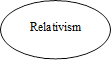
Figure 1: Theoretical model
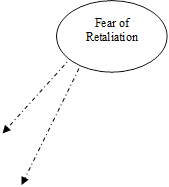 |

 H5 H4
H5 H4
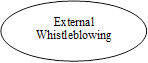
 H2
H6
H2
H6
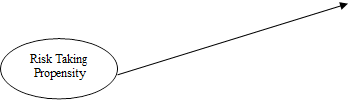
H3
Note: *Arrows in the model represent hypothesized directional relationships, while moderator effects are indicated with dashed lines
Source: Authors’ research
Figure 1 illustrates the theoretical model where Relativism (H2) and Risk Taking Propensity (H3) predict External Whistleblowing. Fear of Retaliation is hypothesized to moderate these relationships (H5, H6) and also has a direct effect on External Whistleblowing (H4).
3. Methods
3.1. Scales
The Ethical Position Questionnaire (EPQ), initially developed with 20 items to measure idealism and relativism, was later refined by O’Boyle and Forsyth (2021), with the relativism dimension narrowed to five items to enhance its psychometric precision. For measuring external whistleblowing behavior, it was utilized the scale proposed by Park et al. (2008), with an additional item – “I expose misconduct on social media” – adapted from Güven (2023), resulting in a total of four items. To assess fear of retaliation, the study employed the seven-item unidimensional scale developed by Bartlett et al. (2019). Risk-taking propensity was measured using the scale introduced by Taatila and Down (2012), which consists of one dimension and six items. All items were rated using a 5-point Likert scale, ranging from “strongly disagree” (1) to “strongly agree” (5). The measurement instruments were reviewed by five experts to establish content validity, translated and back-translated for accuracy, and a pilot test was conducted with a sample of 80 to assess reliability outcomes. The second section of the survey collected demographic data. Participants were also asked to identify the most commonly observed unethical practices in the business environment and to report their typical responses to such situations.
3.2. Data collection
In Turkey, in 2023, the number of individuals directly employed in the tourism sector increased by 4.6%, reaching 998,000. The tourism sector’s share of total employment stood at 3.2% (Turkish Statistical Institute, 2024). The study sample consisted of employees working in travel agencies and accommodation facilities located in Antalya. A total of 405 participants were surveyed using a convenience sampling technique. Data collection was carried out over a period extending from November 16, 2023, to April 4, 2024. The primary data analyses were performed using both SPSS 23 and AMOS software. Data were collected anonymously to protect respondent confidentiality and all participants provided informed consent.
Although surveys are commonly utilized in social science research, they are prone to common method variance (CMV) and bias, which can undermine the reliability and validity of findings (Kock et al., 2021). Surveys are particularly effective for quantifying relationships between independent and dependent variables; however, the estimation of these relationships can be distorted by shared measurement artifacts (Tehseen et al., 2017). Method variance may result in correlation bias, as individual response patterns may consistently reflect systematic tendencies that are unrelated to the constructs being measured (Baumgartner et al., 2021). To assess the presence of CMV, Harman’s single-factor test was employed – a widely accepted technique for detecting method bias. This approach involves conducting an exploratory factor analysis (EFA) with all measurement items included, analyzing the unrotated factor solution to identify the number of factors with eigenvalues exceeding one, and evaluating the proportion of total variance accounted for by the first factor. According to Rodríguez-Ardura and Meseguer-Artola (2020), if CMV exists, a single factor would explain more than 50% of the total variance among items. In this study, the first factor accounted for 16.8% of the total variance, indicating that common method bias was not a significant concern.
3.3. Respondent characteristics
Table 1: Sample demographic statistics
|
Variable |
f |
% |
Variable |
f |
% |
||
|
Gender |
Female |
167 |
41.2 |
Marital |
Married |
227 |
56.0 |
|
Male |
238 |
58.8 |
Single |
178 |
44.0 |
||
|
Age |
19-30 |
112 |
27.7 |
Type of |
Lodging |
260 |
64.2 |
|
31-50 |
212 |
52.3 |
Travel Agency |
145 |
35.8 |
||
|
51 or over |
81 |
20.0 |
Tenure in |
1 to 5 years |
114 |
28.1 |
|
|
Education |
Elementary or |
51 |
12.6 |
6 to 10 years |
55 |
13.6 |
|
|
Associate’s Degree |
72 |
17.8 |
11 to 15 years |
45 |
11.1 |
||
|
Bachelor’s Degree |
235 |
58.0 |
15 to 20 years |
52 |
12.8 |
||
|
Master Degree |
47 |
11.6 |
21 or over |
139 |
34.3 |
||
|
Income |
Low |
75 |
18.5 |
Tenure in |
1 to 5 years |
232 |
57.3 |
|
Medium |
280 |
69.2 |
6 to 10 years |
78 |
19.3 |
||
|
High |
50 |
12.3 |
11 to 15 years |
37 |
9.1 |
||
|
|
|
|
|
15 or over |
68 |
14.3 |
|
Source: Authors’ research
A total of 405 tourism employees from Antalya participated in the study, comprising 238 males (58.8%) and 167 females (41.2%). Participants were aged 19–30 years (27.7%), 31–50 years (52.3%), and 51 years or older (20.0%). Regarding education, 2.2% had completed elementary school, 10.4% high school, 17.8% held associate degrees, 58.0% undergraduate degrees, and 11.6% master’s degrees. In terms of income, 18.5% reported low, 69.1% moderate, and 12.3% high income levels. More than half of the participants (56.0%) were married, and 64.2% were employed in the lodging sector. The majority had over 21 years of industry experience, while 57.3% had worked at their current organization for 1–5 years. Commonly reported unethical practices included discrimination, workplace bullying, and resource mismanagement; notably, 67.2% stated that they reported such behaviors to relevant authorities.
3.4. Assessment of measurement model
According to Mishra et al. (2019), the mean serves as a core indicator of central tendency, representing the average value within a dataset and offering insight into its overall distribution. However, when working with interval or ratio-level data that do not follow a normal distribution, using the arithmetic mean may be misleading, as it is highly affected by outliers and distributional asymmetry (Kaur et al., 2018). For parametric statistical methods to yield valid results, the assumption of normality must be met. As noted by Demir (2022), data can be considered approximately normal if skewness and kurtosis values fall between -3 and +3. Table 2 outlines the skewness, kurtosis, arithmetic means, and standard deviations for each dimension examined in the study.
Table 2: Skewness and kurtosis, means, standard deviation values for subscale
|
Factors |
Skewness |
Statistic |
Kurtosis |
Statistic |
`X |
sd |
|
External Whistleblowing |
1.340 |
0.121 |
1.089 |
0.242 |
1.858 |
1.071 |
|
Risk Taking Propensity |
-0.354 |
0.121 |
-0.348 |
0.242 |
3.386 |
0.965 |
|
Fear of Retaliation |
0.547 |
0.121 |
0.111 |
0.242 |
2.420 |
0.895 |
|
Relativism |
-0.441 |
0.121 |
-0.758 |
0.242 |
3.370 |
1.178 |
Source: Authors’ research
The Kaiser-Meyer-Olkin (KMO) measure and Bartlett’s Test of Sphericity are commonly employed to evaluate whether a dataset is suitable for factor analysis. A KMO value exceeding 0.6 is generally considered acceptable. Meanwhile, Bartlett’s Test assesses the significance of correlations among variables, with a p-value less than 0.05 indicating adequacy for factor analysis (Shrestha, 2021). The specific values related to these tests for the current dataset are presented in Table 3.
Table 3: KMO and Bartlett’s test results
|
KMO Measure of Sampling Adequacy |
0.739 |
|
|
Bartlett’s Test of Sphericity |
Mean chi-square |
2236.794 |
|
Df |
231 |
|
|
Sig. |
0.000 |
|
Source: Authors’ research
During the exploratory factor analysis, several items were removed due to cross-loadings and low factor loadings. Specifically, items with significant loadings on multiple factors or with differences below the 0.20 threshold (Howard, 2016) were excluded in accordance with Guvendir and Ozkan’s (2022) criterion. Additionally, items with factor loadings below 0.40 were removed following the recommendation of Sigudla and Maritz (2023). Two items that negatively affected internal consistency (Cronbach’s α = 0.405) were also excluded to improve reliability, as values above 0.60 are considered acceptable (Hair et al., 2019). In addition to Cronbach’s alpha, McDonald’s omega (ω) coefficients were also computed. According to Orcan (2023), both alpha and omega provide highly accurate estimates of scale reliability (see Table 6). Consequently, one item from the relativism scale, two items from the fear of retaliation scale, and three items from the risk-taking propensity scale were removed. The final analysis was conducted with 16 items, as presented in Table 4.
Table 4: Factor loads
|
Items representing the variables |
|
|||||
|
1 |
2 |
3 |
4 |
|||
|
External Whistleblowing |
I inform the public about the wrongdoing. |
0.876 |
|
|
|
|
|
I report the wrongdoing to the appropriate authorities outside of the workplace. |
0.816 |
|||||
|
I share the wrongdoing on social networks. |
0.816 |
|||||
|
I provide information to outside agencies about the wrongdoing. |
0.786 |
|||||
|
Relativism |
Questions of what is ethical for everyone can never be resolved since what is moral or immoral is up to the individual. |
|
0.889 |
|
|
|
|
Moral standards should be seen as being individualistic; what one person considers to be moral may be judged to be immoral by another person. |
0.881 |
|||||
|
What is ethical varies from one situation and society to another. |
0.764 |
|||||
|
Ethical considerations in interpersonal relations are so complex that individuals should be allowed to formulate their own individual codes. |
0.667 |
|||||
|
Fear of Retaliation |
After I say or do something to another person, I get nervous about possible retaliation. |
|
|
0.780 |
|
|
|
Fearing retaliatory behavior of others often changes my actions. |
0.770 |
|||||
|
If I see an injustice at work or school, I do not say anything because of fear of retaliation. |
0.650 |
|||||
|
I am careful about what I do or say to others because I don't want to be retaliated against. |
|
|
0.632 |
|
||
|
If I do something mean or bad to another, I get nervous about what that person will do next. |
|
|
0.581 |
|
||
|
Risk Taking Propensity |
In general, I have a strong proclivity for high-risk projects |
|
|
|
0.806 |
|
|
I believe that owing to the nature of the environment, bold, wide-ranging acts are necessary |
0.804 |
|||||
|
When confronted with decision-making situations involving uncertainty, I typically adopt a bold, aggressive posture in order to maximize the probability of exploiting potential opportunities |
|
|
|
0.736 |
||
Source: Dimensions were adopted from O’Boyle and Forsyth (2021), Park et al. (2008), Bartlett et al. (2019) and Taatila and Down (2012)
Confirmatory factor analysis (CFA), which is the part of structural equation modeling, depends on a well-established theoretical framework related to the construct under investigation. The first stage in this process involves assessing the measurement model. With 405 valid responses, the study meets the commonly recommended ratio of roughly ten cases per indicator for CFA, which enhances the reliability of parameter estimates and the robustness of fit indices (Stefana et al., 2025). Table 5 presents the various values and indices used for this evaluation.
Table 5: Compliance indexes and references obtained from CFA
|
Index |
χ2/df |
RMSEA |
NFI |
CFI |
GFI |
AGFI |
|
Value |
2.208 |
0.055 |
0.905 |
0.945 |
0.939 |
0.916 |
|
Reference range |
2 ≤ x ≤ 5 |
0.05 ≤ x ≤ 0.08 |
0.90 ≤ x ≤ 0.95 |
0.90 ≤ x ≤ 0.97 |
0.90 ≤ x ≤ 0.95 |
0,85≤ x ≤ 1 |
Source: Authors’ research
The reference ranges used in this study were derived from the research conducted Kimiaeimehr et al. (2020). Table 6 presents reliability and validity statistics from the CFA. Composite reliability (CR) values exceeded 0.70, supporting internal consistency. In cases where the AVE value falls below 0.50, CR can be used as a reference for assessing convergent validity, with a threshold of 0.60 (Pervan et al., 2018); accordingly, the convergent validity for fear of retaliation and risk-taking was considered acceptable. Discriminant validity was adequate, with AVE exceeding MSV (maximum shared variance). Cronbach’s alpha coefficients also surpassed 0.60, confirming the reliability and structural soundness of the measurement model.
Table 6: Constructed reliability and validity analysis
|
Factors |
Number of Items |
Cronbach’s Alpha (α) |
McDonald’s Omega (ω) |
CR |
AVE |
AVE Square Root |
MSV |
ASV |
|
External Whistleblowing |
4 |
0.837 |
0.894 |
0.848 |
0.594 |
0.771 |
0.047 |
0.019 |
|
Relativism |
4 |
0.823 |
0.879 |
0.832 |
0.562 |
0.749 |
0.035 |
0.018 |
|
Fear of Retaliation |
5 |
0.717 |
0.815 |
0.727 |
0.355 |
0.595 |
0.038 |
0.040 |
|
Risk Taking Propensity |
3 |
0.699 |
0.825 |
0.703 |
0.444 |
0.666 |
0.019 |
0.016 |
Source: Authors’ research
The HTMT criterion, employing a threshold value of 0.85, serves as a key indicator for evaluating discriminant validity. Based on the values presented in Table 7, the constructs employed in the study demonstrate adequate discriminant validity.
Table 7: HTMT values between latent variables
|
Latent Variables |
1 |
2 |
3 |
4 |
|
External Whistleblowing (1) |
1 |
|
|
|
|
Risk Taking Propensity (2) |
0.18 |
1 |
|
|
|
Fear of Retaliation (3) |
0.28 |
0.41 |
1 |
|
|
Relativism (4) |
0.13 |
0.19 |
0.21 |
1 |
Source: Authors’ research
4. Key findings
The external whistleblowing dimension recorded an average score of 1.85, indicating a generally negative attitude toward reporting wrongdoing externally among employees in the tourism sector. This finding supports the acceptance of hypothesis H1.
Table 8 displays the outcomes of the regression analysis related to the proposed hypotheses. Within this model, relativism shows a small but statistically significant effect on external whistleblowing (R² = 0.025; p < 0.05). Furthermore, a tendency toward risk-taking also contributes to influencing external whistleblowing behavior (R² = 0.032; p < 0.05). In social science research, human behavior, attitudes, and perceptions are shaped by a complex interplay of cultural, psychological, sociological, and historical factors (Fiske et al., 1998). As such, it is unreasonable to expect a single model to fully account for this complexity. Low R² values, therefore, do not necessarily indicate a weak model but may instead reflect the multidimensional and context-dependent nature of the phenomenon under investigation. Additionally, similar models may produce varying levels of explanatory power across different cultural settings, making the development of universally applicable models inherently challenging. Accordingly, hypotheses H2, H3, and H4 were confirmed based on the data.
Table 8: Regression analysis results
|
Hypotheses |
Independent |
Dependent |
Standard β |
p |
R² |
Adjusted R² |
F-Value |
Supported/Not supported |
|
H2 |
R |
EWB |
0.158 |
0.001 |
0.025 |
0.022 |
10.280 |
Supported |
|
H3 |
RTP |
EWB |
0.178 |
0.000 |
0.032 |
0.029 |
13.234 |
Supported |
|
H4 |
FOR |
EWB |
0.130 |
0.009 |
0.017 |
0.015 |
6.962 |
Supported |
Note: R=Relativism, EWB=External Whistleblowing, RTP=Risk Taking Propensity, FOR=Fear of Retaliation
Source: Authors’ research
Moderator effects were examined using Hayes’ PROCESS macro Model 1, with significance determined by whether the bootstrap confidence intervals, obtained through 5,000 resamples, included zero. For the hypothesized link between relativism and external whistleblowing, the confidence interval contained zero concerning fear of retaliation, indicating that hypothesis H5 was not supported. As shown in Table 9, hypothesis H6 received support, revealing that fear of retaliation significantly moderates the association between risk-taking propensity and external whistleblowing.
Table 9: Hayes test results
|
Hypotheses |
Moderator |
X and Y |
Β |
SE |
LLCI |
ULCI |
ΔR² |
Supported/ Not Supported |
|
H5 |
FOR |
R (X) |
0.0537 |
0.0463 |
-0.0373 |
0.1448 |
0.003 |
Not supported |
|
H6 |
FOR |
RTP (X) |
0.1840 |
0.0530 |
0.0798 |
0.2882 |
0.028 |
Supported |
Note: R=Relativism, EWB=External Whistleblowing, RTP=Risk Taking Propensity, FOR=Fear of Retaliation
Source: Authors’ research
5. Discussion
Whistleblowing, while crucial for addressing or preventing wrongdoing, carries risks that may adversely affect the whistleblower’s professional career, financial security, and overall well-being (Park & Lewis, 2018). Cultural variations further influence individuals’ willingness or reluctance to report unethical behavior (Wozir & Yurtkoru, 2017). In the Turkish tourism sector, employees generally hold negative views toward external whistleblowing, supporting hypothesis H1. This tendency is largely explained by the higher personal and organizational costs associated with external rather than internal whistleblowing (Smaili & Arroyo, 2022), as well as a lack of trust in institutions that discourages reporting misconduct (Hüttl & Lederer, 2013). Ethical Position Theory (EPT) provides a useful lens to interpret these findings, highlighting how individuals’ moral philosophies and contextual evaluations shape ethical decisions (Forsyth et al., 1988). In Turkey, maintaining confidentiality and resolving issues internally are strongly valued norms, which aligns with a relativist ethical orientation that prioritizes context-specific moral judgment over universal rules (Güven & Şahin, 2024).
The positive association between external whistleblowing and relativism (H2) can be understood in two ways. On one hand, it may reflect moral flexibility, wherein employees adapt ethical decisions to situational factors while balancing organizational and stakeholder interests. On the other hand, it could indicate contextual moral disengagement, where ethical concerns are overridden by personal or organizational calculations. In the Turkish tourism context, the findings suggest that moral flexibility is the dominant mechanism, as employees navigate between normative loyalty pressures and ethical obligations (Ismail & Yuhanis, 2018). This interpretation aligns with EPT, as relativist orientations guide moral judgment based on culturally and situationally grounded understandings rather than rigid universal norms.
Risk-taking propensity further shapes external whistleblowing intentions (H3). Individuals with a higher inclination toward risk are more willing to engage in high-stakes actions such as reporting misconduct externally, especially when internal mechanisms are perceived as ineffective (Zhang et al., 2025). This behavior reflects the integration of personality traits and ethical evaluation, as posited in EPT (Gao & Brink, 2017). While such decisions carry potential organizational and personal consequences, employees with greater risk tolerance appear more motivated by moral awareness and perceived duty than by fear of repercussions (Lowry et al., 2013).
Fear of retaliation emerges as a critical determinant of external whistleblowing (H4) and also functions as a moderator in risk-related decisions (H6). The study confirms that although fear of retaliation can inhibit whistleblowing, in certain cases it interacts with risk-taking propensity: employees who are inclined to take risks may still report misconduct externally, particularly when perceived threats are lower (Latan et al., 2021). This finding is consistent with prior research highlighting the contextual sensitivity of whistleblowing in collectivist cultures, where hierarchical norms and organizational loyalty influence ethical decision-making (Yang & Xu, 2020).
These findings have important implications for tourism management. Organizations can reconcile loyalty norms with ethical disclosure by implementing robust institutional protections, promoting anonymous reporting mechanisms, and fostering a culture that values transparency without threatening interpersonal or professional relationships. Training programs that enhance ethical awareness while considering contextual and cultural dynamics may further empower employees to engage in responsible whistleblowing. By integrating EPT and cross-cultural ethical considerations, the study provides a nuanced understanding of external whistleblowing in Turkey’s tourism sector, offering insights that extend beyond descriptive reporting to interpretive and practical guidance.
6. Conclusion and recommendations
The tourism sector frequently experiences unethical practices, and in Turkey, cultural norms often discourage external whistleblowing, with formal reporting mechanisms seldom used. Similar patterns exist in many developing economies, where social expectations normalize unethical behavior, such as favoritism toward family members.
Recognizing whistleblowing as a legitimate ethical mechanism is essential for organizational accountability. However, societal acceptance and robust legal frameworks are crucial for such systems to function effectively. Individual moral frameworks shape responses to unethical situations, but contextual pressures – economic insecurity, fear of retaliation, and financial instability – often outweigh personal ethics.
Risk perception is subjective, and human behavior is influenced by both emotional states and situational factors. Even morally conscientious employees may act inconsistently under varying circumstances. Organizations also play a central role; ethical norms can be undermined if misconduct is normalized, highlighting the need for ethics training, clear guidelines, and effective internal reporting mechanisms.
A key limitation of this study is its focus on Antalya, Turkey, and only on accommodation and travel services, limiting generalizability. Future research should examine multiple regions, tourism subsectors, and cross-cultural contexts to better understand whistleblowing and ethical decision-making in the global tourism industry. SEM was used to examine the relationships among external whistleblowing, risk-taking propensity, fear of retaliation, and relativism, but it may not capture complex combinations of conditions. Future research could complement SEM with fuzzy-set Qualitative Comparative Analysis (fsQCA) to explore how these factors interact and jointly influence whistleblowing behavior, providing a more nuanced understanding of the underlying mechanisms.
6.1. Theoretical implications
This study contributes to the theoretical discourse on whistleblowing by examining individual-level predictors of external reporting behavior within the tourism sector through a culturally grounded lens. While prior research has largely emphasized organizational (Duong et al., 2025) or regulatory factors (Lee et al., 2025), this study integrates ethical relativism, risk-taking propensity, and fear of retaliation into a unified framework. The literature presents mixed evidence on the role of relativism: some findings suggest it fosters ethical flexibility that may encourage whistleblowing (Martadinata et al., 2023), whereas others indicate it undermines consistent moral standards, reducing reporting intentions (Ismail & Yuhanis, 2018). These inconsistencies likely reflect cultural variations. In Turkey’s collectivist and high power-distance context, relativism may uniquely interact with whistleblowing intentions. Moreover, fear of retaliation moderates the relationship between moral judgment and behavioral intention (Zhang et al., 2025), a dynamic amplified in hierarchical cultures valuing social harmony (Güven & Şahin, 2024). Consequently, this research enriches the understanding of whistleblowing in non-Western, tourism-oriented economies by illustrating how cultural context shapes ethical decision-making, contrasting with individualistic settings where whistleblowing is more prevalent (Chang, 2025). This study’s theoretical contribution is strengthened by acknowledging potential boundary conditions, such as high power-distance and collectivist cultural contexts, which may influence the observed relationships. Recognizing these conditions provides a foundation for future research to test comparative or cross-cultural extensions of the model, enhancing its generalizability across diverse tourism settings.
6.2. Practical implications
From a managerial and policy-making perspective, the study offers practical insights into fostering ethical behavior in tourism organizations operating within culturally sensitive contexts. The findings suggest that individual characteristics – such as moral philosophy and risk orientation – cannot be overlooked in the design of whistleblowing mechanisms. Ethics training programs, for instance, should be tailored to reflect varying ethical orientations and individual risk profiles, rather than relying solely on standardized corporate compliance frameworks (Kaptein, 2011). Furthermore, to encourage internal reporting, tourism enterprises should implement a strong code of conduct that promotes respectful behavior and limits incivility, especially from supervisors, while clearly communicating strict anti-retaliation policies to deter any form of retaliation (Srivastava et al., 2025).
The moderating effect of fear of retaliation underscores the necessity of institutional protections that address not only legal compliance but also psychological safety. Organizations should establish anonymous reporting systems, provide visible support to whistleblowers, and promote leadership practices that reinforce ethical behavior. These interventions are particularly vital in cultural environments where whistleblowing may be stigmatized or viewed as a betrayal of group loyalty (Chen & Zhang, 2025). In the Turkish tourism context, where interpersonal and hierarchical dynamics play a significant role in organizational life, implementing context-sensitive strategies can foster a climate of ethical accountability that aligns with cultural values. From a practical standpoint, the findings suggest several prioritized and actionable measures for tourism enterprises. First, establishing clear internal reporting mechanisms to ensure transparency; second, implementing anti-retaliation training and promoting ethical leadership; third, reinforcing legal and institutional protections for whistleblowers; and finally, tailoring ethics education programs to reflect cultural norms and risk perceptions, thereby fostering context-sensitive ethical practices within the industry.
CRediT author statement
Selda Guven: Data curation, Formal analysis, Methodology, Software, Writing – original draft, Writing – review and editing. Ozer Alpar: Conceptualization, Investigation, Formal analysis, Validation, Writing – original draft, Writing – review and editing. Bayram Sahin: Conceptualization, Project administration, Supervision, Writing – original draft, Writing – review and editing.
Declaration of generative AI in the writing process
During the preparation of this work the authors did not use generative AI and AI-assisted technologies in the writing process.
Conflict of interest
The authors declare no conflict of interest concerning this submitted work.
References
1. Baer, M. D., Sessions, H., Welsh, D. T., & Matta, F. K. (2022). Motivated to “roll the dice” on trust: The relationships between employees’ daily motives, risk propensity, and trust. Journal of Applied Psychology, 107(9), 1561–1578. https://doi.org/10.1037/apl0000959
2. Barlett, C. P., Madison, C., DeWitt, C. C., & Heath, J. B. (2019). The moderating effect of dispositional fear of retaliation on the relationship between provocation and aggressive behavior. Personality and Individual Differences, 139, 257–265. https://doi.org/10.1016/j.paid.2018.10.008
3. Baumgartner, H., Weijters, B., & Pieters, R. (2021). The biasing effect of common method variance: Some clarifications. Journal of the Academy of Marketing Science, 49(2), 221–235. https://doi.org/10.1007/s11747-020-00766-8
4. Brink, A. G., Cereola, S. J., & Menk, K. B. (2015). The effects of personality traits, ethical position, and the materiality of fraudulent reporting on entry-level employee whistleblowing decisions. Journal of Forensic & Investigative Accounting, 7(1), 180–211.
5. Chang, S. (2025). Tourism and hospitality employees’ ethical perceptions in the moral resistance and whistleblowing contexts. International Journal of Tourism Research, 27, 1–16. https://doi.org/10.1002/jtr.70064
6. Chen, L., & Zhang, S. (2025). Employees’ unethical pro-organizational behavior and subsequent internal whistle-blowing. Chinese Management Studies, 19(1), 271–285. https://doi.org/10.1108/CMS-11-2023-0604
7. Culiberg, B., & Mihelic, K. K. (2017). The evolution of whistleblowing studies: A critical review and research agenda. Journal of Business Ethics, 146(4), 787–803. https://doi.org/10.1007/s10551-016-3237-0
8. Danis, M., Farrar, A., Grady, C., Taylor, C., O'Donnell, P., Soeken, K., & Ulrich, C. (2008). Does fear of retaliation deter requests for ethics consultation. Medicine, Health Care, and Philosophy, 11(1), 27–34. https://doi.org/10.1007/s11019-007-9105-z
9. Davis, M. A., Andersen, M. G., & Curtis, M. B. (2001). Measuring ethical ideology in business ethics: A critical analysis of the ethics position questionnaire. Journal of Business Ethics, 32(1), 35–53. https://doi.org/10.1023/A:1010701417165
10. Demir, S. (2022). Comparison of normality tests in terms of sample sizes under different skewness and kurtosis coefficients. International Journal of Assessment Tools in Education, 9(2), 397–409. https://doi.org/10.21449/ijate.1101295
11. Dhamija, S., & Rai, S. (2018). Role of retaliation and value orientation in whistleblowing intentions. Asian Journal of Business Ethics, 7(5), 37–52. https://doi.org/10.1007/s13520-017-0078-6
12. Duong, H. K., Sadok, E. G., Guedhami, O., Sequeira, E., & Wei, Z. (2025). Can whistleblowing improve organizational effectiveness? Evidence from financial reporting misconduct. Journal of Accounting, Auditing & Finance, 0(0), 1–29. https://doi.org/10.1177/0148558x251319879
13. Fakfare, P., Phucharoen, C., Kim, J. J., & Han, H. (2024). Ethics for tourism: Integrating Confucian harmony and ethical beliefs into animal tourism. Journal of Travel & Tourism Marketing, 41(7), 923–940. https://doi.org/10.1080/10548408.2024.2361101
14. Fennell, D. A. (2019) Sustainability ethics in tourism: The imperative next imperative. Tourism Recreation Research, 44(1), 117–130. https://doi.org/10.1080/02508281.2018.1548090
15. Fischer, M., Thielmann, I., & Gollwitzer, M. (2024). The role of personality in whistleblowing: An integrative framework. Personality Science, 5, 1–16. https://doi.org/10.1177/27000710241257432
16. Fiske, A. P., Kitayama, S., Markus, H. Z., & Nisbett, R. E. (1998). The cultural matrix of social psychology. In D. T. Gilbert, S. T. Fiske, & G. Lindzey (Eds.), The handbook of social psychology (pp. 915–981). New York, NY: McGraw-Hill.
17. Fornell, C., & Larcker, D. F. (1981). Evaluating structural equation models with unobservable variables and measurement error. Journal of Marketing Research, 18(1), 39–50. https://doi.org/10.2307/3151312
18. Forsyth, D. R., Nye, J. L., & Kelley, K. (1988). Idealism; relativism and the ethic of caring. The Journal of Psychology, 122(3), 243–248. https://psycnet.apa.org/doi/10.1080/00223980.1988.9915511
19. Forsyth, D. R., O’Boyle, E. H., & McDaniel, M. A. (2008). East meets west: A meta-analytic investigation of cultural variations in idealism and relativism. Journal of Business Ethics, 83(4), 813–833. https://doi.org/10.1007/s10551-008-9667-6
20. Gao, L., & Brink, A. G. (2017). Whistleblowing studies in accounting research: A review of experimental studies on the determinants of whistleblowing. Journal of Accounting Literature, 38(1), 1–13. https://doi.org/10.1016/j.acclit.2017.05.001
21. Güven, S. (2023). The relationship of whistleblowing, personal ethical values and organizational commitment: A study in the sample of travel agency employees. [Unpublished doctoral dissertation]. Balıkesir University, Balıkesir, Turkey.
22. Güven, S., & Şahin, B. (2023). A study into the relationship between whistleblowing, personal ethical values and organizational commitment: Hirschman’s exit, voice and loyalty in tourism. Journal of Travel and Hospitality Business, 20(1), 24–40. https://doi.org/10.24010/soid.1165203
23. Güven, S., & Şahin, B. (2024). Whistleblowing in the travel industry: A research in the context of idealism and affective commitment. European Journal of Tourism Research, 37, 1–21. https://doi.org/10.54055/ejtr.v37i.3449
24. Guvendir, A. M., & Ozkan, O. Y. (2022). Item removal strategies conducted in exploratory factor analysis: A comparative study. International Journal of Assessment Tools in Education, 9(1), 165–180. https://doi.org/10.21449/ijate.827950
25. Hair, J. F., Gabriel, M. L. D. S., Silva, D., & Junior, S. B. (2019). Development and validation of attitudes measurement scales: Fundamental and practical aspects. RAUSP Management Journal, 54(4), 490–507. https://doi.org/10.1108/RAUSP-05-2019-0098
26. Hansson, S. O. (2010). The harmful influence of decision theory on ethics. Ethical Theory and Moral Practice, 13(5), 585–593. https://doi.org/10.1007/s10677-010-9232-0
27. Henle, C. A., Giacalone, R. A., & Jurkiewicz, C. L. (2005). The role of ethical ideology in work place deviance. Journal of Business Ethics, 56(3), 219–230. https://doi.org/10.1007/s10551-004-2779-8
28. Hong, S., Park, E. H., & Cameron, G. (2020). Look who is warning: Individual differences in motivation activation influence behaviors during disasters. Risk Research, 23(3), 398–410. https://doi.org/10.1080/13669877.2019.1569100
29. Howard, M. C. (2016). A Review of exploratory factor analysis decisions and overview of current practices: What we are doing and how can we improve? International Journal of Human–Computer Interaction, 32(1), 51–62. https://doi.org/10.1080/10447318.2015.1087664
30. Hüttl, T., & Lederer, S. (2013). Whistleblowing in Central Europe. Public Integrity, 15(3), 283–306. https://doi.org/10.2753/PIN1099-9922150304
31. Ismail, S., & Yuhanis, N. (2018). Determinants of ethical work behaviour of Malaysian public sector auditors. Asia-Pacific Journal of Business Administration, 10(1), 21–34. https://doi.org/10.1108/APJBA-07-2017-0068
32. Iwai, T., Yeung, L., & Artes, R. (2021). Voice or silence: Antecedents of whistleblowing intentions. RAUSP Management Journal, 56(2), 186–201. https://doi.org/10.1108/RAUSP-06-2020-0126
33. Jeon, S. H. (2017). Where to report wrongdoings? Exploring the determinants of internal versus external whistleblowing. International Review of Public Administration, 22(2), 153–171. https://doi.org/10.1080/12294659.2017.1315235
34. Jones, J. C., Spraakman, G., & Sanchez-Rodriguez, C. (2014). What’s in it for me? An examination of accounting students’ likelihood to report faculty misconduct. Journal of Business Ethics, 123(4), 645–667. https://doi.org/10.1007/s10551-013-2015-5
35. Kaptein, M. (2011). From inaction to external whistleblowing: The influence of the ethical culture of organizations on employee responses to observed wrongdoing. Journal of Business Ethics, 98(3), 513–530. https://doi.org/10.1007/s10551-010-0591-1
36. Kaur, P., Stoltzfus, J., & Yellapu, V. (2018). Descriptive statistics. Biostatistic, 4(1), 60–63. https://doi.org/10.4103/IJAM.IJAM_7_18
37. Khan, J., Saeed, I., Zada, M., Ali, A., Contreras-Barraza, N., Salazar-Sepúlveda, G., & Vega-Muñoz, A. (2022). Examining whistleblowing intention: The influence of rationalization on wrongdoing and threat of retaliation. International Journal of Environmental Research and Public Health, 19(3), 1–20. https://doi.org/10.3390/ijerph19031752
38. Kimiaeimehr, F., Hosseini, S. M., Alimohammadzadeh, K., Bahadori, M., Maher, A. (2020). Confirmatory factor analysis model of factors affecting the implementation of clinical guidelines in Iran. Medical Journal of the Islamic Republic of Iran, 34(122), 1–8. https://doi.org/10.34171/mjiri.34.122
39. Kock, F., Berbekova, A., & Assaf, A. G. (2021). Understanding and managing the threat of common method bias: Detection, prevention and control. Tourism Management, 86(5), 1–10. https://doi.org/10.1016/j.tourman.2021.104330
40. Kozak, M. A., & Şahin, S. (2018). Bilgi ifşası (whistleblowing) ve etik ikilem üzerine çıkarımlar [Inferences on whistleblowing and ethical dilemmas]. Anatolia: Turizm Araştırmaları Dergisi, 29(1), 31–38. https://doi.org/10.17123/atad.435726
41. Lašáková, A., Remišová, A., & Bajzíková, L. (2021). Differences in occurrence of unethical business practices in a post-transitional country in the CEE region: The case of Slovakia. Sustainability, 13(6), 1–33. https://doi.org/10.3390/su13063412
42. Lasthuizen, K., Huberts, L., & Heres, L. (2011). How to measure integrity violations: Towards a validated typology of unethical behavior. Public Management Review, 13(3), 383–408. https://doi.org/10.1080/14719037.2011.553267
43. Latan, H., Jabbour, C. J., & Jabbour, A. B. (2021). To blow or not to blow the whistle: The role of rationalization in the perceived seriousness of threats and wrongdoing. Journal of Business Ethics, 169(3), 517–535. https://doi.org/10.1007/s10551-019-04287-5
44. Lee, Y., Ng, S., Shevlin, T., & Venkat, A. (2025). The deterrence effects of tax whistleblower laws: Evidence from New York’s false claims acts. Marketing Science, 71(5), 3688–3712. https://doi.org/10.1287/mnsc.2023.02999
45. Liyanarachchi, G., & Newdick, C. (2009). The impact of moral reasoning and retaliation on whistle-blowing: New Zealand evidence. Journal of Business Ethics, 89(1), 37–57. https://doi.org/10.1007/s10551-008-9983-x
46. Lowry, P. B., Moody, G. D., Galletta, D. F., & Vance, A. (2013). The drivers in the use of online whistle-blowing reporting systems. Journal of Management Information Systems, 30(1), 153–190. https://doi.org/10.2753/MIS0742-1222300105
48. Martadinata, I. P., Pasek, N. S., & Wahyuni, M. A. (2023). External whistleblowing intentions in accounting students: An overview based on relativism and gender. Jurnal Ilmiah Mahasiswa Akuntansi, 14(2), 386–393.
49. Mishra, P., Pandey, C. M., Singh, U., Gupta, A., Sahu, C., & Keshri, A. (2019). Descriptive statistics and normality tests for statistical data. Annals of Cardiac Anesthesia, 22(1), 67–72. https://doi.org/10.4103/aca.ACA_157_18
50. Motarjemi, Y. (2018). Whistleblowing: Food safety and fraud. In R. Costa, & P. Pittia (Eds.), Food ethics education (pp. 147–156). Cham: Springer. https://doi.org/10.1007/978-3-319-64738-8_8
51. Mulyano, V. D., & Sari, M. R. (2025). Work environment factors and retaliations against whistleblowing intention. Asia Pacific Fraud Journal, 10(1), 47–58. https://doi.org/10.21532/apfjournal.v10i1.371
52. O’Boyle, E. H., & Forsyth, D. R. (2021). Individual differences in ethics positions: The EPQ-5. PLoS ONE, 16(6), 1–18. https://doi.org/10.1371/journal.pone.0251989
53. Ojobo, E. (2023). A review of the effectiveness of the Nigerian whistleblowing stopgap policy of 2016 and the whistleblower protection bill of 2019. Journal of African Law, 67, 487–494. https://doi.org/10.1017/S0021855323000098
54. Oktem, M. K., & Shahbazi, G. (2012). Attitudes toward different forms of whistleblowing in Turkey and Iran. Middle-East Journal of Scientific Research, 12(7), 945–951. https://doi.org/10.5829/idosi.mejsr.2012.12.7.1778
55. Orcan, F. (2023). Comparison of cronbach’s alpha and McDonald’s omega for ordinal data: Are they different? International Journal of Assessment Tools in Education, 10(4), 709–722. https://doi.org/10.21449/ijate.1271693
56. Park, H., & Lewis, D. (2018). The negative health effects of external whistleblowing: A study of some key factors. The Social Science Journal, 55(4), 387–395. https://doi.org/10.1016/j.soscij.2018.04.002
57. Park, H., Blenkinsopp, J., Oktem, M. K., & Omurgonulsen, U. (2008). Cultural orientation and attitudes toward different forms of whistleblowing: A comparison of South Korea, Turkey, and the U.K. Journal of Business Ethics, 82(4), 929–939. https://doi.org/10.1007/s10551-007-9603-1
58. Pervan, M., Curak, M., & Kramaric, T. P. (2018). The influence of industry characteristics and dynamic capabilities on firms’ profitability. International Journal of Financial Studies, 6(1), 1–19. https://doi.org/10.3390/ijfs6010004
59. Rodríguez-Ardura, I., & Meseguer-Artola, A. (2020). Editorial: How to prevent, detect and control common method variance in electronic commerce research. Journal of Theoretical and Applied Electronic Commerce Research, 15(2), 1–5. https://doi.org/10.4067/S0718-18762020000200101
60. Scheetz, A. M., Smalls, T. D. W., Wall, J., & Wilson, A. B. (2022). Perception of internal controls helps explain whistleblowing. Nonprofit and Voluntary Sector Quarterly, 51(4), 759–782. https://doi.org/10.1177/08997640211017665
61. Sevi, B., & Shook, N. J. (2021). The relation between disgust sensitivity and risk-taking propensity: A domain specific approach. Judgment and Decision Making, 16(4), 950–968. https://psycnet.apa.org/doi/10.1017/S1930297500008044
62. Shrestha, N. (2021). Factor analysis as a tool for survey analysis. American Journal of Applied Mathematics and Statistics, 9(1), 4–11. https://doi.org/10.12691/ajams-9-1-2
63. Sigudla, J., & Maritz, J. E. (2023). Exploratory factor analysis of constructs used for investigating research uptake for public healthcare practice and policy in a resource-limited setting, South Africa. BMC Health Services Research, 23, 1–8. https://doi.org/10.1186/s12913-023-10165-8
64. Smaili, N., & Arroyo, P. (2022). Triggering changes in corporate governance: Before and after external whistleblowing. Journal of Financial Crime, 29(3), 1027–1041. https://doi.org/10.1108/JFC-06-2021-0134
65. Srivastava, S., Madan, P., & Luu, T. T. (2024). Effect of supervisor incivility: Role of internal whistleblowing as a coping mechanism by hotel employees. International Journal of Hospitality Management, 120, 1–12. https://psycnet.apa.org/doi/10.1016/j.ijhm.2024.103763
66. Stefana, A., Damiani, S., Granziol, U., Provenzani, U., Solmi, M., Youngstrom, E. A., & Fusar-Poli, P. (2025) Psychological, psychiatric, and behavioral sciences measurement scales: Best practice guidelines for their development and validation. Frontier Psychology, 15, 1–24. https://doi.org/10.3389/fpsyg.2024.1494261
67. Sulkun, H. (2020). Retaliation against employees in the USA: An analysis in terms of organizational behavior. Research Journal of Business and Management, 7(4), 228–238. https://doi.org/10.17261/Pressacademia.2020.1320
68. Szrek, H., Chao, L.-W., Ramlagan, S., & Peltzer, K. (2012). Predicting (un)healthy behavior: A comparison of risk-taking propensity measures. Judgment and Decision Making, 7(6), 716–727. https://doi.org/10.1017/S1930297500003260
69. Taatila, V., & Down, S. (2012). Measuring entrepreneurial orientation of university students. Education + Training, 54(8), 744–760. https://doi.org/10.1108/00400911211274864
70. Tehseen, S., Ramayah, T., & Sajilan, S. (2017). Testing and controlling for common method variance: A review of available methods. Journal of Management Sciences, 4(2), 146–175. https://doi.org/10.20547/jms.2014.1704202
71. Turan, N., & Çekiç, Y. (2023). Ethics positions of nursing students in clinical decision-making. Nursing Ethics, 30(7-8), 1025–1037. https://doi.org/10.1177/09697330231161685
72. Turkish Statistical Institute. (2024, December 31). Tourism satellite account, 2023 (Bulletin No. 42). Retrieved from https://data.tuik.gov.tr/Bulten/Index?p=Turizm-Uydu-Hesabi-2023-57892
73. Uys, T., & Radulovic, U. (2025). Truth to power: A historical overview of whistleblowing in South Africa. South African Review of Sociology, 55(1), 95–112. https://doi.org/10.1080/21528586.2025.2493730
74. Van FC, L. L., Suci, A., Defit, S., Wang, H., & Purwanegara, M. S. (2025). Dare to blow the whistle? The role of cute avatars in a university’s whistleblowing system. Computers in Human Behavior, 166(C), 1–14. https://doi.org/10.1016/j.chb.2025.108567
75. Van Houwelingen, G., Bobocel, D. R., & Okimoto, T. (2025). Conflicting loyalties: Cognitive abstraction drives whistleblowing behavior among those who value loyalty. Social Justice Research, 38, 48–74. https://doi.org/10.1007/s11211-024-00447-9
76. Wozir, F. M., & Yurtkoru, E. S. (2017). Organizational culture and intentions towards of whistleblowing: The case of Turkey and Ethiopia. Research Journal of Business and Management, 4(4), 527–539. https://doi.org/10.17261/Pressacademia.2017.759
77. Yang, L., & Xu, R. (2020). The effects of retaliation on whistleblowing intentions in China banking industry. Journal of Accounting & Organizational Change, 16(2), 215–235. https://doi.org/10.1108/JAOC-05-2019-0049
78. Zhang, Y., Hung, W., Dong, H., & Chen, D. (2025). Public Employees’ whistleblowing intention: Explanation by an adapted theory of planned behavior. Public Administration, 103, 115–135. https://doi.org/10.1111/padm.13009
