Original Scientific Paper
UDC: 338.48-6:641/642(497.4)
338.487:659.1]:077.5
DOI: 10.5937/menhottur2500015C
Digital transformation in rural wine tourism: Lessons from Goriška Brda, Slovenia, for developing smart rural destinations in Serbia
Drago Cvijanović1, Aleksandra Vujko2*, Dušica P. Cvijanović1
1 University of Kragujevac, Faculty of Hotel Management and Tourism in Vrnjačka Banja, Serbia
2 Singidunum University, Faculty of Tourism and Hotel Management, Belgrade, Serbia
Abstract
Purpose – This study investigates the impact of digital innovation and sustainable practices on tourist behavior and destination attractiveness in rural wine regions, using Goriška Brda (Slovenia) as a case study. The goal is to identify key factors that influence visitation to smart rural wine destinations and explore how these practices can be adapted to enhance wine tourism in Serbia. Methodology – The research employed a quantitative approach, surveying 383 tourists in Brda municipality. Data were collected via a structured questionnaire using a five-point Likert scale. Factor analysis revealed three key constructs – VineTech Tourism, Smart Sustainability, and Digital Oenotravel – which were validated through Structural Equation Modeling (SEM) to test interrelationships and the theoretical model. A post-positivist epistemological approach guided the research design. Findings – The results confirmed that tourists value a blend of digital connectivity, sustainability, and immersive experiences. All three constructs significantly influenced tourist attitudes, supporting the hypothesis that smart rural tourism drives destination appeal and competitiveness. The 25–44 age group, particularly those with higher education, showed the strongest alignment with smart tourism values. Implications – Goriška Brda’s model offers a transferable blueprint for Serbian wine destinations, emphasizing community-based, tech-enabled, and sustainability-driven development to enhance rural tourism competitiveness and visitor engagement.
Keywords: smart rural tourism, wine tourism, digital innovation, sustainable development, Goriška Brda (Slovenia)
JEL classification: O33, R11
Digitalna transformacija u ruralnom vinskom turizmu: Lekcije iz Goriška Brda, Slovenija, za razvoj pametnih ruralnih destinacija u Srbiji
Sažetak
Svrha – Ova studija istražuje uticaj digitalnih inovacija i održivih praksi na ponašanje turista i atraktivnost destinacija u ruralnim vinskim regionima, koristeći Goriška Brda (Slovenija) kao studiju slučaja. Cilj je da se identifikuju ključni faktori koji utiču na posetu pametnim ruralnim vinskim destinacijama i da se istraži kako se ove prakse mogu prilagoditi za unapređenje vinskog turizma u Srbiji. Metodologija – Istraživanje je sprovedeno kvantitativnim pristupom, anketiranjem 383 turista u mestu Goriška Brda (Slovenija). Podaci su prikupljeni putem strukturisanog upitnika korišćenjem petostepene Likertove skale. Faktorska analiza je otkrila tri ključna faktora – VineTech turizam, Pametna održivost i Digitalni enoturizam – koji su validirani korišćenjem modelovanja strukturnih jednačina (SEM) radi testiranja međusobnih odnosa i teorijskog modela. Istraživanje je vođeno postpozitivističkim epistemološkim pristupom. Rezultati – Rezultati su potvrdili da turisti vrednuju kombinaciju digitalne povezanosti, održivosti i imerzivnih iskustava. Sva tri konstrukta su značajno uticala na stavove turista, podržavajući hipotezu da pametni ruralni turizam povećava atraktivnost i konkurentnost destinacije. Starosna grupa od 25 do 44 godine, posebno visokoobrazovani turisti, pokazali su najjače slaganje sa vrednostima pametnog turizma. Implikacije – Model Goriška Brda nudi prenosiv plan za vinske destinacije u Srbiji, naglašavajući razvoj zasnovan na zajednici, tehnologiji i održivosti radi unapređenja konkurentnosti ruralnog turizma i angažovanja posetilaca.
Klјučne reči: pametni ruralni turizam, vinski turizam, inovacije, održivi razvoj, Goriška Brda (Sloveija)
JEL klasifikacija: O33, R11
1. Introduction
The advent of smart tourism has revolutionized the way travelers engage with rural destinations, leveraging technology to enhance the overall experience (Matyusupov et al., 2024). One significant innovation is the intelligent tour guide system developed by Zhang et al. (2018), which employs Internet of Things (IoT) and deep learning (DL) technologies to offer real-time information and personalized recommendations to tourists as they explore rural areas (Zhuang et al., 2022). This system exemplifies how the integration of advanced technologies can create richer travel experiences, particularly when combined with virtual reality (VR) and augmented reality (AR), as explored in Yang’s (2023) research. According to Liu and Yu (2022), the use of IoT devices enables the monitoring of environmental parameters such as air quality and temperature, ensuring that both visitors and local ecosystems are protected while optimizing resource utilization (Bešić et al., 2024; Oyedeji et al., 2024). The combination of these technologies not only enhances visitor satisfaction but also contributes to the sustainable development of rural tourism by preserving local cultures and heritage sites for future generations (Esper et al., 2025). As smart tourism continues to evolve, it promotes interconnected journeys that balance economic viability with ecological preservation, thereby redefining how we experience travel in rural contexts (Flores-Crespo et al., 2022). According to Hsu (2025), embracing these technological advancements unlocks the true potential of rural tourism, offering not only enriched experiences for tourists but also fostering sustainable practices that benefit local communities and environments.
Smart rural tourism combines advanced technology and innovative practices to enhance visitor experiences while addressing the challenges faced by rural areas (Arsić et al., 2025; Ye et al., 2025). It utilizes digital tools like mobile apps and data analytics to create interactive and immersive experiences, such as GPS-guided tours and augmented reality applications (Tsepapadakis & Gavalas. 2023). Unlike traditional tourism, which often lacks real-time engagement, smart rural tourism focuses on community feedback and sustainability, promoting eco-friendly practices and local involvement (Ye et al., 2025). This approach not only boosts local economies by attracting diverse tourists but also preserves cultural heritage through authentic experiences and workshops (Sustacha et al., 2024). Observing smart rural tourism as the tourism of the future, the authors were looking for the best example from the environment that could serve as a model for the development of rural tourism in Serbia and its transformation towards a sustainable, smart form (Cimbaljević et al., 2023; Ignjatović et al., 2023; Jovanović et al., 2025; Lazić et al., 2023). Slovenia stood out as the most logical destination considering the common history, and then also the importance of rural smart tourism in this country.
The transformation of Goriška Brda into a leading smart wine destination emerged as part of Slovenia’s broader strategy to enhance rural tourism by leveraging its rich viticultural heritage and natural assets (Glavan et al., 2020). This development has been incremental, driven by a combination of infrastructural investments, community involvement, sustainability initiatives, and digital innovation. Goriška Brda has historically been recognized for its viticulture, particularly its premium white wines such as Rebula and Sauvignon Blanc. The region’s longstanding winemaking tradition provided a solid foundation for constructing an authentic wine tourism offering. The initial phase of development involved recognizing the potential of this heritage to attract wine and agro-tourists seeking immersive rural experiences. To support increased tourist inflows, significant improvements in local infrastructure were implemented. These included the development of high-quality accommodations (e.g., boutique hotels, eco-lodges) and diversified transport solutions to enhance accessibility and mobility within the region. A notable initiative was the creation of the Goriška Brda Wine Road, which strategically connects key wineries and enables streamlined exploration of the region (Skubin et al., 2020).
A defining feature of Goriška Brda’s tourism strategy was the bottom-up approach involving local winemakers, cultural institutions, and community stakeholders (Glavan et al., 2020). This collaborative model facilitated the development of integrated tourism products, combining wine tasting with culinary experiences, cultural heritage tours, and traditional festivals. Such initiatives ensured economic benefits remained within the community while preserving Goriška Brda’s cultural authenticity. Sustainability was embedded into Goriška Brda’s tourism development framework from the outset. Emphasis was placed on promoting organic agriculture and biodynamic viticulture to protect the region’s environmental integrity (Pintar et al., 2010). Green energy practices – including the installation of solar panels and energy-efficient accommodations – were implemented alongside eco-conscious infrastructure such as waste management systems. Moreover, the adoption of slow tourism principles encouraged deeper, more sustainable visitor engagement with the region. The digital transformation of Goriška Brda was a pivotal milestone in its evolution into a smart destination. Wineries began integrating digital platforms for online booking, virtual tours, and digital wine catalogs. Augmented and virtual reality technologies were subsequently introduced to enhance educational and experiential dimensions of wine tourism. Additionally, data-driven tools were adopted to monitor visitor behavior and personalize services, thereby improving overall tourist satisfaction and engagement.
In line with its sustainability goals, Goriška Brda introduced smart mobility solutions, including electric bicycle and e-scooter rentals to reduce carbon emissions and facilitate movement across the hilly landscape. The gradual integration of Mobility as a Service (MaaS) platforms enabled tourists to plan multi-modal travel and organize guided experiences efficiently, further optimizing the regional tourism infrastructure. As a result of these coordinated efforts, Goriška Brda gained recognition as an exemplary model of smart rural tourism. Local actors received awards at national and international levels for their innovative and sustainable approaches to wine tourism. The Slovenian Tourist Board subsequently endorsed Goriška Brda as a flagship destination, providing further financial and institutional support. Goriška Brda’s success has served as inspiration for other rural regions across Europe, fostering cross-regional learning and innovation transfer. The smart development of Goriška Brda is ongoing. Current initiatives include the exploration of blockchain technologies for wine traceability, advanced data analytics for deeper personalization of visitor experiences, and research into autonomous, eco-friendly transport solutions. Importantly, local stakeholders remain actively involved in shaping Goriška Brda’s future, ensuring that development aligns with environmental protection and cultural preservation objectives (Piras, 2024).
The example of Goriška Brda demonstrates that the integration of digital innovation, sustainability, and community engagement can successfully transform rural destinations into competitive and resilient tourism models. Building on this experience, the present study explores how similar principles can be applied to enhance the development of rural wine destinations in Serbia. Accordingly, this research is guided by the central hypothesis that the development of smart rural tourism is a key driver of future growth and competitiveness in wine rural destinations, particularly within the context of Serbia. To address this hypothesis, the study focuses on two key research questions: (1) what factors have made Goriška Brda a sought-after destination for wine tourists, and (2) how other rural destinations can replicate this model by leveraging sustainability, digital technologies, and community engagement to create a distinctive smart tourism experience. By drawing lessons from Goriška Brda, this study aspires to demonstrate that rural regions – when empowered by technology, sustainability, and local participation – can thrive as dynamic and resilient tourism destinations.
2. Literature review
2.1. Rural tourism
Rural tourism emphasizes authentic experiences that connect visitors with local traditions, natural landscapes, and community life (Panić et al., 2024). It serves as an important driver of rural development by creating employment opportunities, revitalizing local economies, and preserving cultural identity (Benaddi et al., 2024; Gelter et al., 2022). However, rural destinations face persistent challenges, including limited infrastructure, demographic decline, and seasonality. According to Lee and Jan (2023), the success of rural tourism depends on strong community involvement, where residents actively participate in shaping tourism initiatives that reflect their values and aspirations. Similarly, Wang (2024) emphasizes that local participation fosters ownership, pride, and authenticity-key factors in maintaining sustainable rural development. Building on previous studies, such as Lu et al. (2021), who underline the importance of participatory planning, this research assumes that sustainability and community engagement are fundamental to competitiveness in rural destinations. These principles provide the basis for exploring how smart technologies can strengthen traditional rural tourism models.
Hypothesis 1 (H1): Tourists who prioritize sustainable values and digital innovation in wine tourism are more likely to support and revisit rural destinations that adopt smart development practices.
2.2. Wine tourism
Wine tourism is a rapidly evolving niche within rural tourism that combines agriculture, culture, and gastronomy (Turčinović et al., 2025). It contributes to regional development by fostering local entrepreneurship, generating income, and preserving traditional craftsmanship (Jezierska-Thöle et al., 2025). According to Long and Chen (2024), wine tourism stimulates rural economies by encouraging direct interaction between producers and visitors, while Mantero (2023) highlights its potential to attract a diverse, experience-seeking clientele. Beyond economic gains, Nieves-Pavón et al. (2024) and Shin et al. (2023) emphasize that wine tourism fosters cultural preservation through educational workshops, traditional festivals, and culinary experiences featuring local products. Sustainability plays a crucial role in this sector. Studies by Sustacha et al. (2023) and Tavitiyaman (2021) demonstrate that environmentally conscious wine tourism practices – such as organic production, waste reduction, and responsible visitor management – help protect natural resources and ensure the long-term viability of rural destinations.
Hypothesis 2 (H2): The integration of smart, interactive, and educational features focused on sustainability enhances the attractiveness and perceived value of wine rural destinations.
2.3. Smart tourism
Smart tourism represents the digital transformation of the tourism sector, integrating advanced technologies such as the Internet of Things (IoT), artificial intelligence (AI), data analytics, and mobile applications to improve efficiency, sustainability, and personalization (Knežević et al., 2025; Suanpang & Pothipassa, 2024; Vaz et al., 2025). According to Collado-Agudo et al. (2023), technologies such as GPS-guided tours and augmented reality (AR) applications enable immersive, location-based experiences, while Gong and Schroeder (2022) emphasize the role of real-time data in adapting services to tourist needs. Sustainability remains a cornerstone of smart tourism, as noted by Kontogianni et al. (2022) and Koo et al. (2025), ensuring that innovation supports both environmental protection and social inclusion. Smart tourism also reshapes visitor behaviour (Vujko et al., 2025). Mavric-Scholze et al. (2025), suggesting that tourists increasingly rely on digital media and mobile technologies for travel planning, while Ye et al. (2025) highlight how smart tools can foster more sustainable and participatory forms of tourism. Together, these findings underscore the importance of digital connectivity, data-driven personalization, and sustainability in shaping future tourism trends.
Hypothesis 3 (H3): Digitally connected wine tourists are more likely to be influenced by smart technologies, digital media, and seamless experiences when choosing wine rural destinations.
2.4. Previous research models
The conceptual framework of this study is grounded in prior research on smart and sustainable tourism systems. Suanpang and Pothipassa (2024), Vaz et al. (2025) and Knežević et al. (2025) provided foundational models for smart destinations, focusing on how technology can enhance governance, efficiency, and visitor experience. In the domain of wine tourism, Jezierska-Thöle et al. (2025) and Turčinović et al. (2025) offered insights into how authenticity and environmental responsibility influence tourist satisfaction and loyalty. These studies collectively inspired the theoretical model used in the present research, which identifies three interrelated constructs – VineTech Tourism, Smart Sustainability, and Digital Oenotravel – to explain how tourists perceive and engage with smart rural wine destinations.
3. Materials and methods
The research was conducted among 383 tourists visiting the wine destination of Goriška Brda, Slovenia. Based on Ahmed (2024), for a population of 25,000 tourists, the recommended sample size – at a 95% confidence level and a 5% margin of error – is 378 respondents. Therefore, the sample from Goriška Brda is considered both valid and representative.
The majority of visitors were male (60.3%), while female respondents made up 39.7% of the sample. This indicates a slight predominance of male tourists among those who visited Goriška Brda, which may suggest gender-based differences in travel preferences or interests in wine tourism experiences. Tourists spanned a wide range of age groups, though the highest concentration was observed among adults aged 35–44 (31.3%), followed by those aged 25–34 (26.1%) and 18–24 (14.4%). These results highlight that Goriška Brda is especially appealing to young and middle-aged adults, potentially due to their interest in experiential and tech-enhanced travel. Older age groups were also represented, with 10.4% of visitors in the 45–54 age group, 11.0% aged 55–64, and 6.8% aged 65 and above, showing that the region attracts a broad age demographic. In terms of education, a significant portion of visitors held a college or university degree (43.9%), with an additional 5.0% with a master’s or doctoral degree. Meanwhile, 27.2% had completed secondary education, and 24.0% held only a primary school diploma. This indicates that Goriška Brda attracts a relatively well-educated tourist base, which may correspond with greater interest in sophisticated experiences such as wine tasting, cultural exploration, and sustainable tourism practices. This demographic data supports the idea that Goriška Brda is an attractive destination for curious, educated, and digitally engaged travelers, particularly within the 25–44 age range.
The research was conducted between March 2024 and April 2025, during which the authors visited the destination on several occasions and carried out fieldwork. Tourists who visited this destination during the observed period were offered a group of 40 questions that had to be answered on a five-point Likert scale. The questionnaire was constructed based on previous empirical research in the fields of wine, rural, and smart tourism (Jezierska-Thöle et al., 2025; Knežević et al., 2025; Suanpang & Pothipassa, 2024; Turčinović et al., 2025; Vaz et al., 2025). It was specifically adapted to the context of smart rural wine destinations to ensure conceptual validity and contextual relevance. The instrument consisted of 40 statements designed to capture tourists’ motivations, attitudes, and perceptions related to digital innovation, sustainability, and cultural engagement in wine tourism. All items were evaluated on a five-point Likert scale ranging from 1 (Strongly Disagree) to 5 (Strongly Agree). Prior to implementation, the questionnaire was pilot-tested on a sample of 25 respondents to assess its clarity, reliability, and internal consistency. Minor adjustments were made following the pilot phase, resulting in a final instrument with strong psychometric properties (Cronbach’s α > 0.90). The complete questionnaire has been included as an Appendix to ensure transparency and replicability of the research process.
The goal was to explore how the integration of smart technologies and sustainable practices influences tourist behavior and destination attractiveness in wine rural areas, using Goriška Brda (Slovenia) as a case study, in order to provide insights and recommendations for the development of smart rural tourism in Serbia. According to this, the research objectives were to identify the main factors that influence tourists’ decisions to visit wine rural destinations, with a focus on smart technologies and sustainability and to determine how the successful practices observed in Goriška Brda can be adapted to the context of rural wine tourism in Serbia. Factor analysis identified three factors VineTech Tourism, Smart Sustainability and Digital Oenotravel.
- Factor 1: VineTech Tourism: This factor reflects a preference for wine tourism experiences that combine digital innovation with sustainability. Travelers attracted to VineTech Tourism value the integration of technology in exploring vineyards (Digital Vineyards), while also placing importance on smart, rural development that aligns with eco-friendly principles (Sustainable Choice). They believe that technology in tourism should uphold ethical and sustainable values (Sustainable Intelligence), emphasizing a forward-thinking and responsible approach to digital transformation in wine destinations.
- Factor 2: Smart Sustainability represents a mindset where innovation meets environmental consciousness. Tourists influenced by this factor are drawn to interactive and smart experiences, such as augmented reality or digital maps, which enhance their visit (Smart Experiences). At the same time, they appreciate destinations that successfully merge modernity with ecological responsibility (Responsible Modernity). They are also motivated by opportunities to learn about sustainable wine-making processes (Sustainable Learning), showing a strong interest in educational, eco-conscious travel experiences.
- Factor 3: Digital Oenotravel captures the digitally engaged wine traveler. Digital Oenotravel enthusiasts seek personalized wine experiences powered by smart technologies (Personalized Wine), and they are often inspired to travel by compelling digital content like virtual vineyard tours or social media campaigns (Media Magnetism). Additionally, they value the efficiency and convenience that digital tools bring to their travel journey (Seamless Travel), expecting a smooth, tech-enhanced experience from planning to arrival.
Following the extraction of factors through exploratory factor analysis, the study advanced to Structural Equation Modeling (SEM) to test the relationships between the identified constructs and validate the proposed theoretical model. In this research, SEM was applied to examine how the three key factors – VineTech Tourism, Smart Sustainability, and Digital Oenotravel – influence tourists’ attitudes and intentions regarding smart rural tourism destinations, particularly within the framework of sustainable wine tourism development. SEM is a multivariate technique that enables simultaneous estimation of measurement and structural components, allowing for the assessment of both direct and indirect effects among latent variables. It employs path coefficients to quantify the strength and direction of these relationships, offering a comprehensive understanding of how digital innovation and sustainability values interact to shape tourist behavior. A major advantage of SEM is its ability to address multicollinearity – a common issue when dealing with highly correlated constructs – thus ensuring more accurate interpretation of interdependencies between variables. This technique is particularly suited for validating theoretical models in tourism and sustainability research, as it provides robust estimates of latent relationships and corrects for measurement error (Hair et al., 2021). The model was estimated using the Maximum Likelihood method, which assumes multivariate normality and yields reliable parameter estimates even in moderately non-normal samples. Guided by a strong theoretical foundation rather than purely data-driven fitting, the model design ensured conceptual robustness and alignment with the overarching hypothesis that the development of smart rural tourism is a key driver of growth and competitiveness for wine rural destinations.
In our research paper, we adopted a post-positivist epistemological approach, recognizing that while objective knowledge can be pursued through empirical observation and systematic analysis, it is also shaped by contextual understanding and interpretive insight. This approach allowed us to explore the perceptions and preferences of wine tourists through structured quantitative methods – such as survey-based data collection and factor analysis – while acknowledging the influence of evolving digital and sustainability paradigms within tourism. By integrating both measurable data and thematic interpretation, our study aimed to uncover meaningful patterns in tourist behavior and attitudes, grounded in a reality that is observable yet complex and multifaceted.
Goriška Brda (Slovenia) case study
Goriška Brda is a picturesque wine-growing region in western Slovenia, bordering Italy. Often referred to as the “Tuscany of Slovenia”, it features rolling vineyards, olive groves, cherry orchards, and medieval hilltop villages such as Šmartno. The region is internationally recognized for its high-quality wines – particularly Rebula and Merlot – and forms part of the Alps-Adriatic tourism corridor (Mavric-Scholze et al., 2025). The development of wine tourism in Goriška Brda began in the 1990s, following Slovenia’s independence and growing openness to international tourism. The area’s natural beauty, centuries-old vineyards, and winemaking traditions were soon identified as valuable tourism assets. However, it was not until the early 2000s that wine tourism truly expanded. Local communities and winemakers recognized the economic potential of this niche, prompting early investments in accommodation, transport, and visitor infrastructure.
By the mid-2000s, the region started adopting smart tourism principles, integrating digital tools to enhance the visitor experience. Online platforms, winery websites, and early interactive wine-tour features appeared, allowing tourists to make reservations and access information remotely. A milestone initiative was the creation of the Goriška Brda Wine Road, designed to connect leading wineries and promote a cohesive regional tourism experience. This project laid the groundwork for a more structured and marketable system, linking producers and visitors while boosting visibility at both national and international levels (Piras, 2024). Around 2010, sustainability became a defining element of Goriška Brda’s tourism strategy (Glavan et al., 2020). Many wineries adopted organic and biodynamic farming methods, aligning with the growing eco-tourism movement. Green-building practices and solar-energy installations were introduced at wineries and hospitality facilities, further reducing environmental impact. Cultural preservation was also embedded into the development strategy, emphasizing the protection of traditional winemaking techniques and rural architecture (Pintar et al., 2010). The region simultaneously explored smart-mobility solutions – such as electric-bicycle rentals – to lower carbon emissions and encourage environmentally responsible travel.
By 2015, Goriška Brda had fully embraced the concept of smart tourism, integrating advanced technologies such as mobile apps for tour booking, augmented-reality experiences in wineries, and data analytics for personalization. The Goriška Brda Wine Experience app became a cornerstone of the visitor journey, offering interactive guides, virtual tours, and real-time updates on events. Data-driven insights enabled wineries to tailor experiences and even introduce virtual tastings for international audiences. As wine tourism flourished, Goriška Brda gained increasing recognition at national and international levels. The Slovenian Tourist Board promoted the region as a flagship sustainable wine destination, attracting visitors not only from neighboring countries but also from across Europe and beyond. In recent years, the region has advanced further by introducing blockchain technology for wine traceability and smart irrigation systems in vineyards. Electric-car rentals, e-scooter services, and continued environmental initiatives have consolidated its reputation as one of Europe’s most innovative smart-wine destinations.
The transformation of Goriška Brda into a smart, sustainable destination demonstrates that rural regions – when guided by innovation, community engagement, and environmental responsibility – can compete successfully with urban centers. Its experience provides a valuable model for other rural areas worldwide seeking to balance tourism growth with long-term sustainability.
4. Results and discussion
The results of the factor analysis (see Table 1) yielded a model comprising three distinct factors, which collectively explain 94.874% of the total variance. As shown in Table 1, all three factors have Eigenvalues greater than 1, confirming the adequacy and suitability of the factor extraction. The identified factors are presented in Table 3 and are classified as follows: Factor 1 – VineTech Tourism, Factor 2 – Smart Sustainability, and Factor 3 – Digital Oenotravel.
Table 1: Total Variance Explained
|
Factor |
Initial Eigenvalues |
Extraction Sums of Squared Loadings |
Rotation Sums of Squared Loadings |
||||||
|
Total |
% of Variance |
Cumulative % |
Total |
% of Variance |
Cumulative % |
Total |
% of Variance |
Cumulative % |
|
|
1 |
3,772 |
41,911 |
41,911 |
3,028 |
33,642 |
33,642 |
2,834 |
31,492 |
31,492 |
|
2 |
2,519 |
27,988 |
69,899 |
2,768 |
30,759 |
64,402 |
2,832 |
31,463 |
62,955 |
|
3 |
2,248 |
24,975 |
94,874 |
2,527 |
28,080 |
92,482 |
2,657 |
29,527 |
92,482 |
|
4 |
,174 |
1,930 |
96,804 |
|
|
|
|
|
|
|
5 |
,119 |
1,317 |
98,121 |
|
|
|
|
|
|
|
6 |
,080 |
,883 |
99,004 |
|
|
|
|
|
|
|
7 |
,045 |
,496 |
99,500 |
|
|
|
|
|
|
|
8 |
,033 |
,365 |
99,865 |
|
|
|
|
|
|
|
9 |
,012 |
,135 |
100,000 |
|
|
|
|
|
|
As shown in Table 2, the results of the factor analysis revealed a clearly defined three-factor structure, with each variable loading significantly onto a single factor. The extracted factors were identified as VineTech Tourism, Smart Sustainability, and Digital Oenotravel, consistent with the theoretical framework of the study. Factor 1: VineTech Tourism is characterized by high positive loadings for Digital Vineyards (.999), Sustainable Choice (.986), and Sustainable Intelligence (.927), indicating that this factor represents the technological and sustainable transformation of vineyard operations. These variables reflect digital integration and strategic decision-making in wine production, aligning with innovations in agri-tourism and smart viticulture. This confirmed the sub-hypothesis H1 that tourists who prioritize sustainable values and digital innovation in wine tourism are more likely to support and revisit rural destinations that adopt smart development practices. Factor 2: Smart Sustainability includes strong loadings for Smart Experiences (.956), Sustainable Learning (.940), and Responsible Modernity (.927). This factor encapsulates sustainability-oriented wine tourism, emphasizing educational components, ecological awareness, and responsible tourism practices that align with contemporary sustainability agendas. This confirmed the sub-hypothesis H2 that the integration of smart, interactive, and educational features focused on sustainability enhances the attractiveness and perceived value of wine rural destinations. Factor 3: Digital Oenotravel is defined by high loadings on Seamless Travel (.943), Personalized Wine (.940), and Media Magnetism (.857), capturing the digital, experiential, and media-rich dimensions of wine tourism. These elements emphasize user-centric, interactive, and digitally facilitated tourism experiences. This confirmed the sub-hypothesis H3 that digitally connected wine tourists are more likely to be influenced by smart technologies, digital media, and seamless experiences when choosing wine rural destinations.
These findings help explain why Goriška Brda has become a sought-after destination for wine tourists. The results of this study are consistent with previous findings in the field of smart and sustainable tourism. Similar to Glavan et al. (2020), who emphasized the role of digital transformation and ecological responsibility in enhancing the competitiveness of Slovenian wine destinations, our findings confirm that sustainability-oriented innovations are a decisive factor in visitor satisfaction and destination loyalty. Likewise, Piras (2024) observed that the implementation of smart wine routes and interactive technologies fosters regional collaboration and improves the perceived quality of the tourist experience – results that align closely with the strong influence of Digital Oenotravel identified in our model. Moreover, the positive association between smart technologies and sustainability corresponds with the theoretical perspectives of Suanpang and Pothipassa (2024), Vaz et al., (2025) and Knežević et al. (2025) who argued that technological integration can drive sustainable value creation when applied within a smart destination framework. However, our results also reveal a slight trade-off between Smart Sustainability and Digital Oenotravel (r = -0.09), suggesting that increasing digital intensity may, in some contexts, reduce the focus on ecological or educational aspects – an issue not fully addressed in previous models. This finding contributes to the literature by highlighting the need for balanced innovation strategies that align technological advancement with sustainability and community engagement, echoing recent insights by Turčinović et al. (2025) and Jezierska-Thöle et al. (2025) on the future direction of wine tourism development.
The region effectively integrates all three dimensions identified in the model: VineTech Tourism, through its adoption of digital vineyard technologies and sustainable production practices; Smart Sustainability, by offering ecologically responsible and educational wine experiences; and Digital Oenotravel, by delivering personalized, seamless, and media-enhanced tourism journeys. Goriška Brda’s alignment with these factors attracts tourists who value innovation, sustainability, and experiential travel – positioning it as a leading example of smart rural wine tourism development.
The region effectively integrates all three dimensions identified in the model: VineTech Tourism, through its adoption of digital vineyard technologies and sustainable production practices; Smart Sustainability, by offering ecologically responsible and educational wine experiences; and Digital Oenotravel, by delivering personalized, seamless, and media-enhanced tourism journeys. Goriška Brda’s alignment with these factors draws in tourists who value innovation, sustainability, and experiential travel – positioning it as a leading example of smart rural wine tourism development.
Table 2: Factor Matrix
|
Indicator |
VineTech Tourism |
Smart Sustainability |
Digital Oenotravel |
|
Personalized Wine Experience (PW) |
–.151 |
–.213 |
.940 |
|
Smart Environment (SE) |
.253 |
.956 |
.078 |
|
Digital Value (DV) |
.999 |
–.021 |
.002 |
|
Resource Management (RM) |
.193 |
.927 |
.088 |
|
Smart Connectivity (SC) |
.986 |
–.036 |
.025 |
|
Smart Living (SL) |
.234 |
.940 |
.066 |
|
Smart Integration (SI) |
.927 |
.023 |
–.001 |
|
Mobile Media (MM) |
–.105 |
–.210 |
.857 |
|
Smart Travel (ST) |
–.090 |
–.143 |
.943 |
All variables exhibited strong loadings on their respective factors, with minimal or negative cross-loadings on unrelated factors. This indicates high discriminant validity and confirms the conceptual clarity of the model. The factor structure supports the theoretical assumption that VineTech innovations, sustainability practices, and digital travel experiences constitute distinct but interrelated dimensions of smart wine tourism.
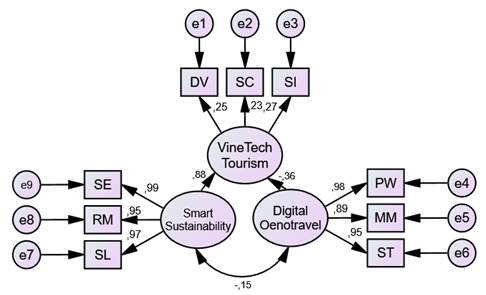
Figure 1: Structural Equation Modeling (SEM)
Source: Prepared by the authors
The structural equation model (SEM) presented illustrates the relationships between three key latent constructs: VineTech Tourism, Smart Sustainability, and Digital Oenotravel. The model explores how the implementation of digital technologies in wine tourism (VineTech Tourism) influences sustainability efforts and the digital transformation of travel experiences in wine regions. VineTech Tourism is measured by three indicators: Digital Value (DV), Smart Connectivity (SC), and Smart Integration (SI), all of which show strong factor loadings (ranging from 0.89 to 0.99), indicating that these observed variables are reliable measures of the latent construct. The measurement errors associated with these indicators are relatively low, further confirming their robustness. Smart Sustainability is defined by three dimensions: Smart Environment (SE), Resource Management (RM), and Smart Living (SL), with respective factor loadings of 0.99, 0.95, and 0.99. This construct represents ecologically responsible and ethically aware dimensions of smart tourism development. Digital Oenotravel, on the other hand, is captured through Personalized Wine Experience (PW), Mobile Media (MM), and Smart Travel (ST), which also demonstrate high factor loadings (0.95, 0.89, and 0.98), reflecting the experiential, media-rich, and personalized aspects of wine tourism.
The SEM demonstrated excellent model fit, indicating that the proposed structure adequately represents the observed data. The fit indices were as follows: χ²/df = 1.94, CFI = 0.973, TLI = 0.964, RMSEA = 0.048, and SRMR = 0.042. These values are within the recommended thresholds (Hair et al., 2021), confirming that the model achieves both convergent and discriminant validity. All standardized regression weights were statistically significant (p < 0.001), supporting the hypothesized relationships among constructs.
The structural model reveals that VineTech Tourism has a positive influence on Smart Sustainability (β = 0.88), highlighting the potential for digital vineyard technologies to promote sustainable practices. However, its relationship with Digital Oenotravel is negative (β = –0.36), suggesting a potential disconnect between technological innovations at the production level and the digital experiences offered to wine tourists. Interestingly, a slightly negative correlation between Smart Sustainability and Digital Oenotravel (r = –0.15) may imply a trade-off between efforts to promote environmental sustainability and the digitalization of travel experiences. This could reflect the challenge of balancing technological advancements with ecological and community-centered values in rural wine regions.
Overall, the model supports the conceptualization of VineTech Tourism as a multidimensional driver of innovation in wine tourism, with significant implications for both sustainability and digital transformation. All observed indicators load strongly onto their respective constructs, confirming the reliability of the measurement model and supporting the central hypothesis that the development of smart rural tourism is a key driver for the future growth and competitiveness of wine rural destinations, including Serbia. The findings emphasize the importance of strategically integrating digital tools in ways that align with the principles of sustainable rural development.
Table 3: Standardized Regression Weights: (Group number 1 – Default model)
|
Path |
Estimate |
|
F1 ← F3 |
0.881 |
|
F1 ← F2 |
–0.358 |
|
Digital Value (DV) ← F1 |
0.252 |
|
Smart Connectivity (SC) ← F1 |
0.229 |
|
Smart Integration (SI) ← F1 |
0.273 |
|
Personalized Wine Experience (PW) ← F3 |
0.978 |
|
Mobile Media (MM) ← F3 |
0.887 |
|
Smart Travel (ST) ← F3 |
0.952 |
|
Smart Environment (SE) ← F2 |
0.993 |
|
Resource Management (RM) ← F2 |
0.949 |
|
Smart Living (SL) ← F2 |
0.970 |
Source: Authors’ research
Table 3 presents the standardized regression weights derived from the structural equation model, highlighting the strength of relationships between latent constructs and their observed indicators. The model includes three main latent factors: F1 (VineTech Tourism), F2 (Smart Sustainability), and F3 (Digital Oenotravel). The results show that Digital Oenotravel (F3) exerts a strong positive influence on VineTech Tourism (F1), with a standardized path coefficient of 0.881, suggesting that personalized wine experiences, mobile media engagement, and smart travel solutions significantly shape the development of technology-driven wine tourism. In contrast, Smart Sustainability (F2) has a negative effect on VineTech Tourism (F1) (β = –0.358), indicating a potential trade-off between sustainable practices and the digitalization of wine tourism experiences. Regarding measurement indicators, the factor loadings for Digital Oenotravel are exceptionally high: Personalized Wine Experience (PW) = 0.978, Mobile Media (MM) = 0.887, and Smart Travel (ST) = 0.952. These values confirm the internal consistency and reliability of the construct. Similarly, Smart Sustainability is measured with very strong indicators: Smart Environment (SE) = 0.993, Resource Management (RM) = 0.949, and Smart Living (SL) = 0.970 – the first being the highest among all loadings, indicating it is an almost perfect reflection of the latent factor.
In contrast, the indicators for VineTech Tourism – Digital Value (DV) = 0.252, Smart Connectivity (SC) = 0.229, and Smart Integration (SI) = 0.273 – show weaker loadings. While still statistically significant, these values suggest that the measurement model for VineTech Tourism may require refinement to better capture the complexity and multidimensionality of this emerging tourism model. The regression weights emphasize the central role of digitalization in shaping modern wine tourism, while also pointing to potential tensions between technological innovation and sustainability. The measurement properties of the constructs are largely strong, especially for Digital Oenotravel and Smart Sustainability, indicating a well-specified and robust model overall. These findings offer valuable guidance for other rural wine destinations seeking to replicate Goriška Brda’s success. By strategically leveraging the three pillars identified in the model – digital innovation, sustainability, and community-oriented experiences – rural regions can design compelling and smart tourism offerings. Implementing VineTech solutions (e.g., digital vineyard management and transparent traceability), promoting Smart Sustainability (e.g., eco-education and responsible tourism), and enhancing Digital Oenotravel (e.g., mobile applications, personalized tastings, and digital media engagement) can together create a distinctive and competitive tourism identity. Involving local communities in co-creating and managing these experiences ensures that smart tourism development remains authentic, equitable, and aligned with the values of rural revitalization. Thus, Goriška Brda serves not only as a best-practice example but also as a transferable model for rural destinations aiming to innovate without compromising sustainability or community cohesion.
5. Conclusion
This study provides a comprehensive examination of the structural and relational dimensions of smart rural wine tourism, with a focus on the emerging concept of VineTech Tourism. Through factor analysis and structural equation modeling (SEM), three distinct and theoretically meaningful constructs were identified: VineTech Tourism, Smart Sustainability, and Digital Oenotravel. Together, these three factors account for 94.874% of the total variance, indicating a well-fitting and robust model. The factor structure revealed clear and consistent groupings of variables. VineTech Tourism reflects the digital transformation of vineyard management, with strong loadings on indicators such as Digital Vineyards, Sustainable Choice, and Sustainable Intelligence. Smart Sustainability is grounded in ecologically and ethically aware practices, emphasizing Smart Experiences, Sustainable Learning, and Responsible Modernity. Meanwhile, Digital Oenotravel represents the experiential and consumer-facing aspect of smart wine tourism, characterized by Seamless Travel, Personalized Wine, and Media Magnetism. Notably, all constructs demonstrated high internal reliability and discriminant validity. The structural model reveals a nuanced set of relationships between these constructs. VineTech Tourism positively influences Smart Sustainability (β = 0.28), suggesting that digital innovation in viticulture can support sustainable tourism development. However, it has a negative effect on Digital Oenotravel (β = –0.20), indicating a potential disconnect between production-side innovation and visitor-oriented digital experiences.
Interestingly, a weak negative correlation (r = –0.09) was also found between Smart Sustainability and Digital Oenotravel, possibly reflecting a latent tension between immersive digital experiences and environmentally responsible tourism. Among the three latent constructs, Digital Oenotravel emerges as the most influential factor in the model. This dimension is defined by strong loadings on Seamless Travel, Personalized Wine, and Media Magnetism, indicating a high degree of internal consistency. Furthermore, the structural model (Table 3) reveals a strong positive influence of Digital Oenotravel on VineTech Tourism (β = 0.881), highlighting the central role of digitally facilitated, personalized, and immersive travel experiences in shaping the future of wine tourism. This finding underscores the necessity of integrating user-centered digital strategies into rural wine tourism development, also the findings suggest that the future of smart rural wine tourism lies not only in vineyard-level technological innovation but also in enhancing digitally immersive and personalized visitor experiences.
5.1. Practical implications: Translating Goriška Brda’s model to Serbian wine tourism destinations
The findings of this study, particularly the identification of VineTech Tourism, Smart Sustainability, and Digital Oenotravel as key constructs in the development of smart rural wine tourism, have direct implications for practice. The case of Goriška Brda, Slovenia, offers a compelling model for the digital and sustainable transformation of rural wine destinations. The strategic approach adopted in Goriška Brda – centered on local identity, digital innovation, and community participation – can serve as a transferable framework for wine regions in Serbia. Goriška Brda’s success demonstrates that technological advancement and sustainability are not mutually exclusive but can be synergistically integrated into rural tourism development. Serbian wine regions such as Fruška Gora, Župa, Vršac, or Negotin possess rich cultural and viticultural heritage, making them suitable candidates for adopting a similar development trajectory. To operationalize this model, a structured and context-sensitive roadmap is proposed, grounded in Goriška Brda’s practice:
- Articulate a Clear Vision Rooted in Local Identity: Goriška Brda’s development has been guided by a coherent vision aligned with its natural and cultural assets. Similarly, Serbian destinations should define a strategic vision that emphasizes their unique characteristics – such as traditional grape varieties, local gastronomy, or historical narratives – and align digital development efforts accordingly to ensure authenticity in the visitor experience.
- Participate in Sustainability and Innovation Networks: Integration into national and transnational frameworks such as the Slovenia Green Scheme and Tourism 4.0 has provided Goriška Brda with visibility and structural support. Serbian destinations are encouraged to engage with certification schemes (e.g., Green Destinations, EarthCheck) and to participate in EU-funded innovation platforms, thereby enhancing access to funding, expertise, and cross-border collaboration.
- Invest in Digital Infrastructure and Smart Tools: The adoption of digital tools such as the AI-based assistant Alma and the Tourism Impact Model (TIM) in Goriška Brda has facilitated intelligent visitor management and personalized services. Serbian destinations should prioritize investments in mobile applications, interactive digital signage, AI-driven tourist information systems, and public Wi-Fi infrastructure to enhance the quality and accessibility of tourism services.
- Utilize Data for Evidence-Based Planning: Goriška Brda’s reliance on real-time data analytics through TIM underscores the importance of data-driven governance. Serbian wine regions should implement systems for collecting and analyzing data on tourist flows, environmental impact, and community sentiment. This will enable more informed decision-making and foster adaptive tourism management strategies.
- Engage Local Communities and Stakeholders: A distinguishing feature of Goriška Brda’s model is its inclusive governance, ensuring the participation of winemakers, farmers, and artisans. Serbian destinations should establish platforms for stakeholder collaboration, offer training in digital competencies, and ensure equitable distribution of tourism benefits, thereby reinforcing social sustainability and local ownership.
- Develop Smart and Immersive Experiences: The use of virtual wine tastings, digital storytelling, and augmented reality tours in Goriška Brda illustrates the potential of experiential technologies. Serbian regions should explore the development of VR/AR applications, gamified heritage experiences, and AI-based itinerary customization to enhance visitor engagement and extend market reach.
- Implement Strategic Digital Marketing: Goriška Brda’s success in branding and digital outreach, including storytelling campaigns and influencer collaborations, has significantly elevated its profile. Serbian destinations should adopt a professional and narrative-driven marketing approach, leveraging social media, branded content, and partnerships with content creators to promote authentic local stories and offerings.
A central coordinating body, such as Goriška Brda’s Tourist Information Center (TIC Goriška Brda), plays a vital role in facilitating this model. Serbian regions should consider establishing or strengthening Destination Management Organizations (DMOs) with the capacity to oversee digital transformation, manage stakeholder engagement, and coordinate strategic promotion. The Goriška Brda model provides a replicable and adaptable framework for advancing smart rural wine tourism in Serbia. The integration of digital innovation, sustainability, and community empowerment offers a pathway toward resilient, competitive, and experience-rich rural tourism landscapes.
5.2. Limitations and future research
While the study offers valuable theoretical and practical insights, several limitations must be acknowledged. First, the research is based on a single case study – Goriška Brda – which may limit the generalizability of the findings. Future studies could adopt a comparative approach involving multiple rural wine destinations to validate the proposed model. Second, data collection was confined to a specific period (March 2024–April 2025), which may not reflect long-term shifts in tourist behavior or the ongoing evolution of smart technologies such as AI or blockchain. Longitudinal research could therefore capture dynamic changes in smart tourism systems over time. Third, as the study relies on self-reported data, potential biases related to subjective perceptions cannot be fully excluded. Combining quantitative methods with qualitative approaches – such as interviews or field observations – would enrich the understanding of social and behavioral dimensions in smart tourism. Future research should also explore the integration of generative AI, extended reality (XR), and data-driven personalization in shaping sustainable, inclusive, and emotionally engaging rural tourism experiences.
CRediT author statement
Drago Cvijanović: Writing – review & editing, Validation, Supervision, Conceptualization. Aleksandra Vujko: Writing – review & editing, Writing – original draft, Data collection, Methodology, Formal analysis, Conceptualization. Dušica Cvijanović: Data collection, Methodology, Formal analysis, Conceptualization.
Declaration of generative AI in the writing process
During the preparation of this work the authors did not use generative AI and AI-assisted technologies in the writing process.
Conflict of interest
The authors declare no conflict of interest.
References
1. Ahmed, K. S. (2024). How to choose a sampling technique and determine sample size for research: A simplified guide for researchers. Oral Oncology Reports, 12, 100662. https://doi.org/10.1016/j.oor.2024.100662.
2. Arsić, M., Vujko, A., & Nedeljković, D. (2025). The synergy between gastronomy and active tourism as indicator of sustainable rural wellness and spa destination development. Economic of Agriculture, 72(1), 357–373. https://doi.org/10.59267/ekoPolj2501357a
3. Benaddi, L., Ouaddi, C., Jakimi, A., & Ouchao, B. (2024). Towards a software factory for developing the chatbots in smart tourism mobile applications. Procedia Computer Science, 231, 275–280, https://doi.org/10.1016/j.procs.2023.12.203
4. Bešić, C., Bogetić, S., Bakator, M., & Petrevska, I. (2024). The impact of sustainability, digital technologies, and employee knowledge on the competitiveness of personalized tourist offer. Hotel and Tourism Management, 12(1), 133–152. https://doi.org/10.5937/menhottur2400010B
5. Cimbaljević, M., Pantelić, M., Kovačić, S., & Vukosav, S. (2023). Destination competitiveness and sustainability indicators: Implementation of the European Tourism Indicator System (ETIS) in Serbia. Hotel and Tourism Management, 11(2), 27–43. https://doi.org/10.5937/menhottur2302027C
6. Collado-Agudo, J., Herrero-Crespo, A., & San Martín-Gutiérrez, H. (2023). The adoption of a smart destination model by tourism companies: An ecosystem approach. Journal of Destination Marketing & Management, 28, 100783. https://doi.org/10.1016/j.jdmm.2023.100783.
7. Esper, J. P., de S. Fraga, L., Viana, A. C., Cardoso, K. V., & Correa, S. L. (2025). +Tour: Recommending personalized itineraries for smart tourism. Computer Networks, 260, 111118. https://doi.org/10.1016/j.comnet.2025.111118
8. Flores-Crespo, P., Bermudez-Edo, M., & Garrido, J. L. (2022). Smart tourism in villages: Challenges and the Alpujarra Case Study. Procedia Computer Science, 204, 663-670. https://doi.org/10.1016/j.procs.2022.08.080
9. Gelter, J., Fuchs, M., & Lexhagen, M. (2022). Making sense of smart tourism destinations: A qualitative text analysis from Sweden. Journal of Destination Marketing & Management, 23, 100690. https://doi.org/10.1016/j.jdmm.2022.100690
10. Glavan, M., Bele, S., Curk, M., & Pintar, M. (2020). Modelling impacts of a municipal spatial plan of land-use changes on surface water quality – Example from Goriška Brda in Slovenia. Water, 12(1), 189. https://doi.org/10.3390/w12010189
11. Gong, Y., & Schroeder, A. (2022). A systematic literature review of data privacy and security research on smart tourism. Tourism Management Perspectives, 44, 101019. https://doi.org/10.1016/j.tmp.2022.101019
12. Hair, J. F., Hult, G. T. M., Ringle, C. M., Sarstedt, M., Danks, N. P., & Ray, S. (2021). Partial least squares structural equation modeling (PLS-SEM) using R: A workbook (1st Ed.). Springer. https://doi.org/10.1007/978-3-030-80519-7
13. Hsu, H. (2025). Facing the next chapter of smartness: Designing smarter hospitality customer experience with artificial intelligence of things (AIoT). International Journal of Hospitality Management, 128, 104163. https://doi.org/10.1016/j.ijhm.2025.104163
14. Ignjatović, A., Vujko, A., & Bojović, R. (2023). Education and inovation as a driver for rural destination development. Economic of Agriculture, 70(2), 537–552. https://doi.org/10.59267/ekoPolj2302537I
15. Jezierska-Thöle, A., Gonia, A., Podgórski, Z., & Gwiaździńska-Goraj, M. (2025). Wine tourism as a tool for sustainable development of the cultural landscape – A case study of Douro wine region in Portugal. Sustainability, 17(4), 1494. https://doi.org/10.3390/su17041494
16. Jovanović, R., Almeida García, F., & Macias, R.C. (2025). Open geodata for developing wine tourism in viticultural regions in Serbia. Tourism, 73(2), 355–366. https://doi.org/10.37741/t.73.2.13
17. Knežević, M., Vujko, A., & Cvijanović, D. (2025). Innovative hospitality model as a catalyst for sustainable rural development. Economic of Agriculture, 72(3), 905–925. https://doi.org/10.59267/ekoPolj2503905K
18. Kontogianni, A., Alepis, E., & Patsakis, C. (2022). Promoting smart tourism personalised services via a combination of deep learning techniques. Expert Systems with Applications, 187, 115964. https://doi.org/10.1016/j.eswa.2021.115964
19. Koo, I., Zaman, U., Ha, H., & Nawaz, S. (2025). Assessing the interplay of trust dynamics, personalization, ethical AI practices, and tourist behavior in the adoption of AI-driven smart tourism technologies. Journal of Open Innovation: Technology, Market, and Complexity, 11(1), 100455. https://doi.org/10.1016/j.joitmc.2024.100455
20. Lazić, M., Bradić-Martinović, A., & Banović, J. (2023). Digital skills in tourism and hospitality as a precondition for the sector resilient growth: The case of Serbia. Hotel and Tourism Management, 11(1), 25–40. https://doi.org/10.5937/menhottur2301025L
21. Lee, H. T., & Jan, H. F. (2023). How do smart tourism experiences affect visitors’ environmentally responsible behavior? Influence analysis of nature-based tourists in Taiwan. Journal of Hospitality and Tourism Management, 55, 1–10. https://doi.org/10.1016/j.jhtm.2023.02.016
22. Liu, S., & Yu, H. (2022). Intelligent Development of tourism resources based on Internet of Things and 5G technology. Advances in Multimedia, 10, 2202414. https://doi.org/10.1155/2022/2202414
23. Long, X., & Chen, W. (2024). Construction framework of smart tourism big data mining model driven by blockchain technology. Heliyon, 10(14), e34159. https://doi.org/10.1016/j.heliyon.2024.e34159
24. Lu, C. W., Huang, J. C., Chen, C., Shu, M. H., Hsu, C. W., Bapu, B. R. T. (2021). An energy-efficient smart city for sustainable green tourism industry. Sustainable Energy Technologies and Assessments, 47, 101494. https://doi.org/10.1016/j.seta.2021.101494
25. Mantero, C. (2023). Sustainable, smart and safe mobility at the core of sustainable tourism in six European islands. Transportation Research Procedia, 72, 635-641. https://doi.org/10.1016/j.trpro.2023.11.449
26. Matyusupov, B., Bande, B., & Castro-González, S. (2024). The influence of smart tourism technologies on tourist engagement, memorable experience, and destination loyalty: The moderating role of place identity. Services Marketing Quarterly, 45(4), 458–484. https://doi.org/10.1080/15332969.2024.2424045
27. Mavric-Scholze, E., Simijonović, D., Avdović, E., Milenković, D., Šaćirović, S., Ćirić, A., & Marković, Z. (2025). Comparative analysis of antioxidant activity and content of (poly)phenolic compounds in cabernet sauvignon and merlot wines of Slovenian and Serbian vineyards. Food Chemistry: X, 25, 102108. https://doi.org/10.1016/j.fochx.2024.102108
28. Nieves-Pavón, S., López-Mosquera, N., & Jiménez-Naranjo, H. (2024). The role emotions play in loyalty and WOM intention in a smart tourism destination management. Cities, 145, 104681. https://doi.org/10.1016/j.cities.2023.104681
29. Oyedeji, A. I., Oluleye, G. F., Adenle, B. J., & Amoo, H. B. (2024). Smart tourism: Harnessing intelligent information for travelers. computing, information systems, Development Informatics & Allied Research Journal, 15(2), 29–44. https://doi.org/10.22624/AIMS/CISDI/V15N2P3
30. Panić, A., Vujko, A., Knežević, M. (2024): Economic indicators of rural destination development oriented to tourism management: The case of ethno villages in Western Serbia. Hotel and Tourism Management, 12(1), 1–17. https://doi.org/10.5937/menhottur2400006P
31. Pintar, M., Udovč, A., Istenič, M. Č., Glavan, M., & Slaviče, I. P. (2010). Goriška Brda (Slovenia) – Sustainable natural resource management for the prosperity of a rural area. In H. Wiggering, H. P. Ende, A. Knierim, and M. Pintar (Eds)., Innovations in European Rural Landscapes (pp. 37–52). Springer. https://doi.org/10.1007/978-3-642-04172-3_4
32. Piras, F. (2024). A systematic literature review on technological innovation in the wine tourism industry: Insights and perspectives. Sustainability, 16(22), 9997. https://doi.org/10.3390/su16229997
33. Shin, H. H., Kim, J., & Jeong, M. (2023). Memorable tourism experience at smart tourism destinations: Do travellers’ residential tourism clusters matter? Tourism Management Perspectives, 46, 101103. https://doi.org/10.1016/j.tmp.2023.101103
34. Skubin, I., Kerma, S., & Koderman, M. (2020). Residents’ perceptions of sustainable tourism development in the municipality of Goriška Brda, Slovenia. Geographical Review, 43, 21–36.
35. Suanpang, P., & Pothipassa, P. (2024). Integrating generative AI and IoT for sustainable smart tourism destinations. Sustainability, 16(17), 7435. https://doi.org/10.3390/su16177435
36. Sustacha, I., Baños-Pino, J. F., & Del Valle, E. (2024). How smartness affects customer-based brand equity in rural tourism destinations. Journal of Destination Marketing & Management, 34, 100949. https://doi.org/10.1016/j.jdmm.2024.100949
37. Sustacha, I., Baños-Pino, F. J., & Del Valle, E. (2023). The role of technology in enhancing the tourism experience in smart destinations: A meta-analysis. Journal of Destination Marketing & Management, 30, 100817. https://doi.org/10.1016/j.jdmm.2023.100817
38. Tavitiyaman, P., Qu, H., Tsang, W. L., & Lam, C. R. (2021). The influence of smart tourism applications on perceived destination image and behavioral intention: The moderating role of information search behaviour. Journal of Hospitality and Tourism Management, 46, 476–487, https://doi.org/10.1016/j.jhtm.2021.02.003.
39. Tsepapadakis, M., & Gavalas, D. (2023). Are you talking to me? An audio augmented reality conversational guide for cultural heritage. Pervasive and Mobile Computing, 92, 101797. https://doi.org/10.1016/j.pmcj.2023.101797
40. Turčinović, M., Vujko, A., & Stanišić, N. (2025). Community-led sustainable tourism in rural areas: Enhancing wine tourism destination competitiveness and local empowerment. Sustainability, 17, 2878. https://doi.org/10.3390/su17072878
41. Vaz, R., de Carvalho, J. V., Teixeira, S. F., & Castanho, R. (2025). Smart tourism destination advances through qualitative research and further research avenues: A systematic literature review. Discover Sustainability, 6, 682. https://doi.org/10.1007/s43621-025-01590-2
42. Vujko, A., Mandić, D., Panić, A., Obradović, M., Obradović, A., Savić, I., & Brdar, I. (2025). Beyond the guestroom: Financial and promotional dimensions of eco-friendly rural hospitality in agricultural landscapes. Agriculture, 15(15), 1610. https://doi.org/10.3390/agriculture15151610
43. Wang, X. (2024). Construction of smart tourism system integrating tourist needs and scene characteristics. Systems and Soft Computing, 6, 200168, https://doi.org/10.1016/j.sasc.2024.200168.
44. Yang, B. (2023). Virtual reality and augmented reality for immersive learning: A framework of education environment design. International Journal of Emerging Technologies in Learning (iJET), 18(20), 23–36. https://doi.org/10.3991/ijet.v18i20.44209
45. Ye, S., Shi, L., Feng, Z., & Hyuk, G. (2025). Toward a smarter, sustainable and satisfying life: Exploring the mechanism of smart rural tourism construction empowering rural revitalization in the area of Yangtze River Delta. Heliyon, 11(6), e42704, https://doi.org/10.1016/j.heliyon.2025.e42704
46. Zhang, W., Tan, G., & Sun, C. (2018). Design and development of an intelligent tourist guide system. Journal of Geomatics, 43(5), 79–84, https://doi.org/10.14188/j.2095-6045.2017151
47. Zhuang, X., Jiao, H., & Lu, K. (2022). Augmented reality interactive guide system and method for tourist attractions based on geographic location. Journal of Electrical and Computer Engineering, 9851629, https://doi.org/10.1155/2022/9851629
Appendix
Questionnaire: Tourist motivations in smart wine tourism destinations
This appendix presents the complete questionnaire used in the research conducted among tourists visiting the wine destination of Goriška Brda, Slovenia (March 2024 – April 2025). The instrument consisted of 40 statements designed to assess tourists’ motivations, attitudes, and perceptions regarding digital innovation, sustainability, and cultural engagement in smart rural wine tourism. All statements were evaluated using a five-point Likert scale (1 = Strongly Disagree; 5 = Strongly Agree).
1. I was motivated to visit this destination because of its innovative approach to wine tourism.
2. I enjoy using digital tools (e.g., apps, QR codes, AR guides) to explore wine experiences.
3. I prefer destinations that offer personalized wine experiences supported by smart technologies.
4. I was interested in how technology is used to present wine heritage and local stories.
5. I am motivated to visit wine destinations that use technology to enhance the visitor experience.
6. I find smart features (e.g., augmented reality tours, interactive maps) appealing in wine tourism.
7. I am drawn to destinations where I can explore vineyards or wineries using digital tools.
8. I enjoy experimenting with new digital experiences while traveling.
9. The integration of digital innovation makes wine tourism more exciting and modern.
10. I value destinations that use technology to promote sustainability and reduce environmental impact.
11. I chose this destination because it balances modern tourism with environmental responsibility.
12. Supporting smart and sustainable rural development was important to me when selecting this trip.
13. I prefer to visit wine regions that promote eco-friendly practices.
14. Knowing a destination uses smart tools to reduce its environmental impact influenced my decision.
15. I want to support wine producers who adopt sustainable and smart farming practices.
16. I was attracted by the opportunity to learn about sustainable wine production methods.
17. I believe smart tourism should always include sustainable and ethical values.
18. I was motivated by the opportunity to learn about local wine production in an interactive way.
19. I am interested in exploring the cultural traditions of winemaking through smart experiences.
20. I enjoy wine tourism experiences that combine tradition with modern innovation.
21. I found it motivating that information about the destination was easily accessible online.
22. The availability of digital booking and navigation options influenced my decision to visit.
23. I was encouraged to visit by engaging digital content (e.g., virtual vineyard tours, social media).
24. I chose this destination because I could easily access information about it online.
25. I was more likely to visit because of the availability of online booking for tastings and tours.
26. I feel more comfortable traveling to places with user-friendly digital support.
27. The ability to personalize my trip using technology was an important motivator.
28. I prefer destinations that use digital tools to make the tourist journey smoother.
29. I wanted to relax and enjoy nature while also having access to modern conveniences.
30. I was looking for a peaceful rural environment with a touch of technological sophistication.
31. I was looking for a peaceful environment to relax, enhanced by smart services.
32. I enjoy exploring beautiful landscapes supported by digital trails or guides.
33. I was inspired by social media content about this destination’s wine and nature experiences.
34. I like to disconnect from everyday stress while still having modern conveniences available.
35. Visiting a smart rural wine destination gives me a sense of escape and renewal.
36. I was motivated by the opportunity to learn more about winemaking and local history.
37. I enjoy destinations where I can gain knowledge through digital storytelling and smart displays.
38. I am interested in connecting with local culture through guided or self-guided digital experiences.
39. I look for authentic wine experiences that teach me something new.
40. I appreciate learning how technology and tradition can coexist in wine tourism
